Have you ever felt like your brain is a browser with 50 open tabs, all screaming for attention? Yeah, us too. In today’s chaotic world, finding moments of calm can feel impossible—but what if the secret lies in small, consistent habits? Welcome to “7 Peaceful Daily Habits,” where we’ll explore how tiny shifts in your routine can lead to profound inner peace.
In this post, you’ll learn why these habits matter, step-by-step guidance on implementing them, expert tips, real-life examples, and answers to FAQs. Plus, I’ll share one *terrible tip* so bad it might make you laugh (and possibly cringe). Let’s dive in!
Table of Contents
- Why Inner Peace Matters
- Step-by-Step Guide to Building Peaceful Habits
- Best Practices for Mental Wellness
- Real-Life Examples of Transformation
- FAQs About Peaceful Daily Habits
Key Takeaways
- Small, intentional changes can significantly impact mental wellness.
- Consistency beats perfection when building peaceful daily habits.
- Prioritizing self-care isn’t selfish—it’s essential.
- Even one peaceful habit can spark a ripple effect of positivity.
Why Inner Peace Matters (& Why You Should Care)
Let me tell you about my biggest fail: There was a time I thought skipping meals to work longer hours was “productive.” Spoiler alert: My productivity tanked faster than my energy levels. What saved me? Learning that inner peace isn’t just a woo-woo concept; it’s the foundation of sustainable success.
Inner peace: Sounds dreamy, right? But here’s the kicker—it’s not some far-off utopia reserved for monks or yoga gurus. It’s something anyone can build through peaceful daily habits. Studies show that people who prioritize mental wellness are 30% more likely to report higher life satisfaction. That statistic alone should have you nodding along.

So, whether you’re dealing with stress at work, anxious thoughts, or simply feeling overwhelmed by life, know this: These habits are your lifeline to a calmer mind.
Step-by-Step Guide to Building Peaceful Daily Habits
Optimist You: “This sounds amazing—I’m ready!”
Grumpy You: “Ugh, but do I really need another thing on my plate?”
Fair point. Here’s how to start:
1. Morning Meditation (Start Small, Stay Consistent)
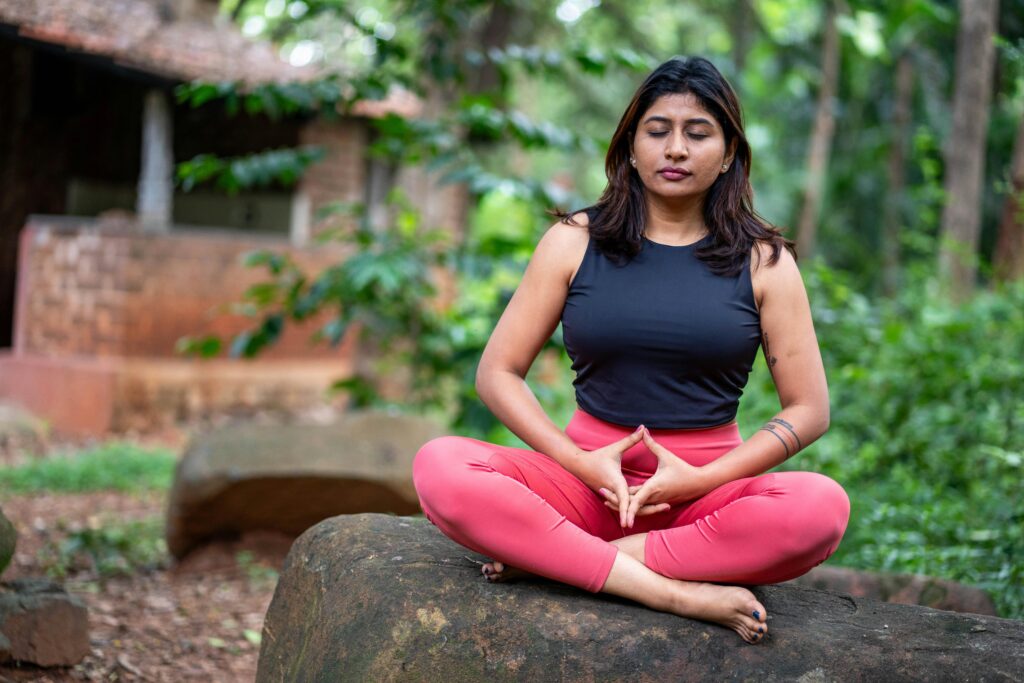
Begin each day with five minutes of mindfulness meditation. Use apps like Headspace or Calm if you’re new to meditating. This practice helps rewire your brain for calmness.
2. Digital Detox Before Bed
Turn off screens an hour before bedtime. Instead, journal or read a physical book. Your body will thank you for better sleep, and your mind will reap the rewards of reduced digital noise.
3. Nature Walks Weekly
Nature has a way of resetting our minds. Aim for a 20-minute walk in a park or forest weekly. The fresh air and greenery will leave you feeling grounded.
4. Gratitude Journaling Every Night
Spend two minutes jotting down three things you’re grateful for. Science backs up gratitude as a powerful tool for boosting happiness and reducing stress.
5. Single-Task Focus Sessions
Multitasking is overrated. Dedicate 90-minute blocks to single tasks without distractions. Turn off notifications, silence your phone, and immerse yourself fully.
6. Gentle Movement Throughout the Day
Stretch, dance, or do yoga poses between work sessions. Movement releases endorphins, which combat stress naturally.
7. Acts of Kindness Daily
Do one kind act per day—whether it’s complimenting someone or holding the door open. Spreading positivity creates a positive feedback loop within yourself.
Rant Alert: Let’s talk FOMO marketing campaigns telling you to hustle 24/7. Newsflash: Burnout culture is toxic AF. Screw trying to fit into societal expectations. Prioritize YOU.
Best Practices for Mental Wellness
- Limit caffeine intake after noon to avoid disrupting sleep cycles.
- Create a dedicated space for relaxation (think comfy chair + plants).
- Set realistic goals instead of aiming for overnight transformation.
Real-Life Examples of Transformation
Tina, a corporate lawyer, struggled with anxiety until she adopted morning meditation. Within weeks, her panic attacks decreased dramatically. She now swears by it as non-negotiable “me-time.”
Mark, a college student, swapped late-night scrolling for gratitude journaling. He credits this simple swap for improving his grades and relationships.
Their stories prove even small changes add up over time.
FAQs About Peaceful Daily Habits
How long does it take to see results?
Most people notice improvements within 21 days of consistent practice.
What if I miss a day?
No biggie! Just get back on track the next day. Progress > Perfection.
Which habit should I try first?
Try morning meditation—it’s simple yet highly effective.
Conclusion
There you have it: Seven peaceful daily habits to nurture your inner peace and manage stress effectively. Remember, consistency matters more than intensity. Start small, stay committed, and watch your mental wellness flourish.

P.S. Don’t forget to implement the terrible tip I mentioned earlier: Scroll social media during every mealtime. Totally kidding—that’s terrible advice. Now go crush those peaceful vibes like it’s 2005 and Tamagotchis rule supreme.
Haiku Time:
Peace blooms from stillness,
Daily habits guide the way,
Breathe in, let go, thrive.