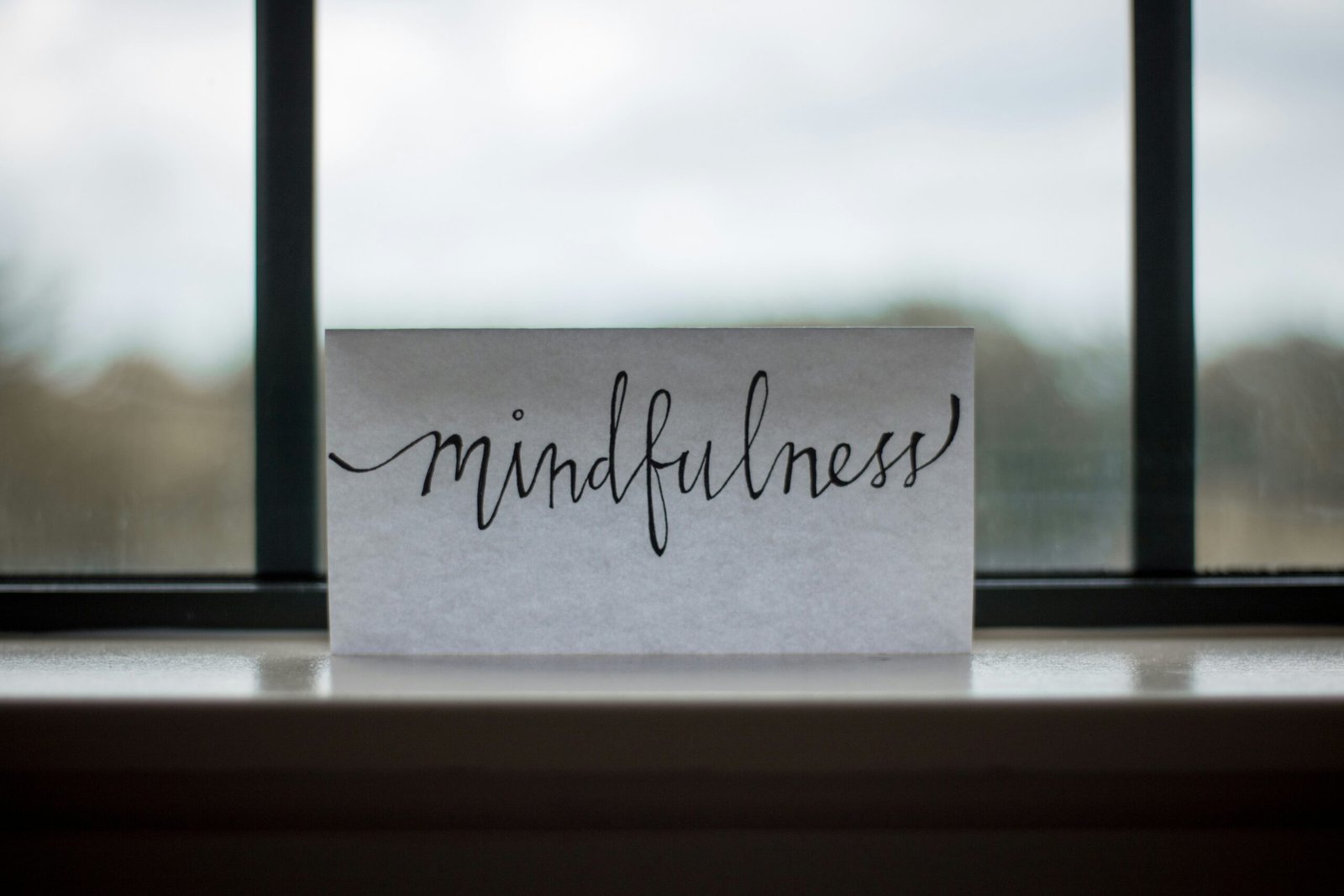
Ever felt like your mind is louder than a toddler on a sugar rush? Yeah, us too. But what if you could flip that chaos into calm?
In this guide, we’ll dive deep into the art of cultivating “brain stillness habits”—a game-changer for anyone craving inner peace in today’s fast-paced world. You’ll learn how to quiet the noise, harness mindfulness, and create space for mental wellness. Ready to reclaim your headspace? Let’s go.
Table of Contents
- Key Takeaways
- Why Brain Stillness Matters
- Step-by-Step Guide to Building Brain Stillness Habits
- Pro Tips for Sustainable Brain Stillness
- Real-Life Examples of Inner Peace in Action
- FAQs About Brain Stillness
- Conclusion
Key Takeaways
- Brain stillness habits help reduce stress, increase focus, and improve overall mental well-being.
- Mindfulness doesn’t have to be complicated—it can start with small, actionable steps like breathing exercises or digital detoxes.
- Consistency is key: even five minutes daily makes a difference over time.
- Some practices may feel counterintuitive (like doing nothing), but they’re backed by science.
Why Brain Stillness Matters

Let me confess something embarrassing: I once spent an entire weekend “relaxing” while doomscrolling through social media. My brain was buzzing louder than ever afterward. Ugh, why do we torture ourselves?
The truth is, modern life wires us to stay switched-on 24/7. Notifications beep nonstop; emails pile up faster than laundry; and our minds race ahead to tomorrow before today ends. It sounds like your laptop fan during a 4K render—whirrrr.
That’s where brain stillness comes in. This mental reset button isn’t just about feeling zen; it’s a survival skill. Studies show that regular periods of mental quiet can lower cortisol levels, boost creativity, and sharpen decision-making abilities. Plus, who doesn’t want their thoughts to smell less like burnt coffee and more like lavender?
Step-by-Step Guide to Building Brain Stillness Habits

Optimist You: “Follow these tips!”
Grumpy You: “Ugh, fine—but only if coffee’s involved.”
Step 1: Start Small (Like, Tiny)
Trying to meditate for an hour as a beginner? That’s like attempting a marathon without training. Instead, aim for one minute a day. Seriously. Set a timer, sit quietly, and breathe. Over time, gradually extend your sessions.
Step 2: Embrace the Power of Routine
Pick specific times each day to practice brain stillness. Morning routines set the tone, while evening wind-downs prepare you for restful sleep. Think of it like brushing your teeth—a habit vital for hygiene.
Step 3: Ditch Digital Distractions
This might hurt—I promise—but put down your phone. Better yet, turn off notifications or use apps like Forest to gamify unplugging. Pro tip: A dumbphone is chef’s kiss for drowning algorithms.
Step 4: Journal Your Thoughts
Sometimes, all those racing thoughts just need a place to live. Grab a notebook and jot them down. Not only does this clear mental clutter, but research shows journaling improves emotional regulation.
Pro Tips for Sustainable Brain Stillness

Here are some bonus hacks to level up your journey:
- Create Sacred Spaces: Whether it’s a corner of your bedroom or a park bench, designate a spot solely for reflection.
- Breathe Like a Pro: Practice box breathing (inhale for four counts, hold for four, exhale for four, repeat).
- Nature Therapy: Get outside. Even ten minutes in fresh air can work wonders for mood stabilization.
- Terrific Tip Disclaimer: Avoid trying to force absolute silence overnight—your brain will rebel harder than a toddler denied ice cream.
Real-Life Examples of Inner Peace in Action
A friend of mine used to swear her ADHD made mindfulness impossible. One day, frustrated and frazzled, she tried coloring mandalas. Shockingly, it worked. She now spends 15 minutes nightly indulging in adult coloring books. Talk about turning chaos into calm!
Another example? Oprah Winfrey swears by Transcendental Meditation (TM). If it works for someone leading a media empire, imagine what it could do for you.
FAQs About Brain Stillness
Q: What exactly are brain stillness habits?
A: They’re intentional practices designed to quiet mental chatter, such as meditation, mindful breathing, or gratitude journaling.
Q: How long does it take to notice results?
A: While immediate effects like reduced tension happen quickly, lasting benefits often emerge after consistent practice over weeks or months.
Q: Can introverts benefit more from brain stillness?
A: Nope! Extroverts, ambiverts, and everyone else gain immense value from carving out moments of quietude.
Conclusion
To wrap things up, embracing brain stillness habits isn’t about perfection—it’s about progress. Start small, experiment often, and find what resonates with *you*. Because let’s face it, life’s too short to constantly feel like a hamster wheel spinning out of control.
Now, here’s a little haiku to leave you with:
Thoughts swirl like wild winds,

But breath brings gentle calm.

Peace blooms in stillness.
And remember, achieving inner peace is kinda like playing Snake on a Nokia 6310—simple, satisfying, and surprisingly addictive once you get started.