Ever felt like your mind was hosting its own rock concert—complete with the drummer who won’t stop pounding? Yeah, us too. Between work stress, social media noise, and just life happening, finding inner peace can feel impossible. But what if there were simple steps you could take to reclaim that sense of calm?
In this post, we’ll explore 7 tranquility steps designed to guide you toward inner peace. These aren’t vague ideas either; they’re actionable, human-first strategies for managing mental wellness. You’ll learn how these steps can fit into even the busiest schedules (yes, even yours), complete with examples and tips. Let’s dive in!
Table of Contents
- Introduction
- Key Takeaways
- Why Inner Peace Feels So Elusive
- Step-by-Step Guide to Tranquility
- Tips to Make the Most of Your Journey
- Real-Life Examples of Finding Calm
- FAQs About Inner Peace Practices
- Conclusion
Key Takeaways
- Finding inner peace isn’t about grand gestures—it’s about small, consistent actions.
- The 7 tranquility steps include mindfulness, journaling, breathwork, gratitude practice, nature connection, digital detox, and self-compassion.
- These steps are backed by science and adaptable to your lifestyle.
- Even one bad day doesn’t mean you’ve failed.
Why Inner Peace Feels So Elusive

We live in an era where busyness is worn like a badge of honor. “How are you?” “Oh, busy!” It’s almost as if slowing down feels… wrong. That constant state of overdrive keeps our nervous systems on edge, making true inner peace seem mythical.
I once spent three hours trying to meditate only to realize I’d been staring at my phone instead. Yep, I set alarms to remind me to do nothing—and then did everything but that. Sound familiar? Society trains us to multitask until our brains buzz louder than a blender full of smoothie bombs.
“Optimist You:” “If I just try harder, I’ll calm down!”
“Grumpy You:” “Yeah, right. And maybe unicorns will deliver mail tomorrow.”
Step-by-Step Guide to Tranquility
What Are the First Steps Toward Inner Peace?
Luckily, achieving tranquility doesn’t require moving to a monastery or mastering yoga poses named after animals no one has ever seen. Here’s your roadmap:
Step 1: Practice Mindfulness Without Judgment
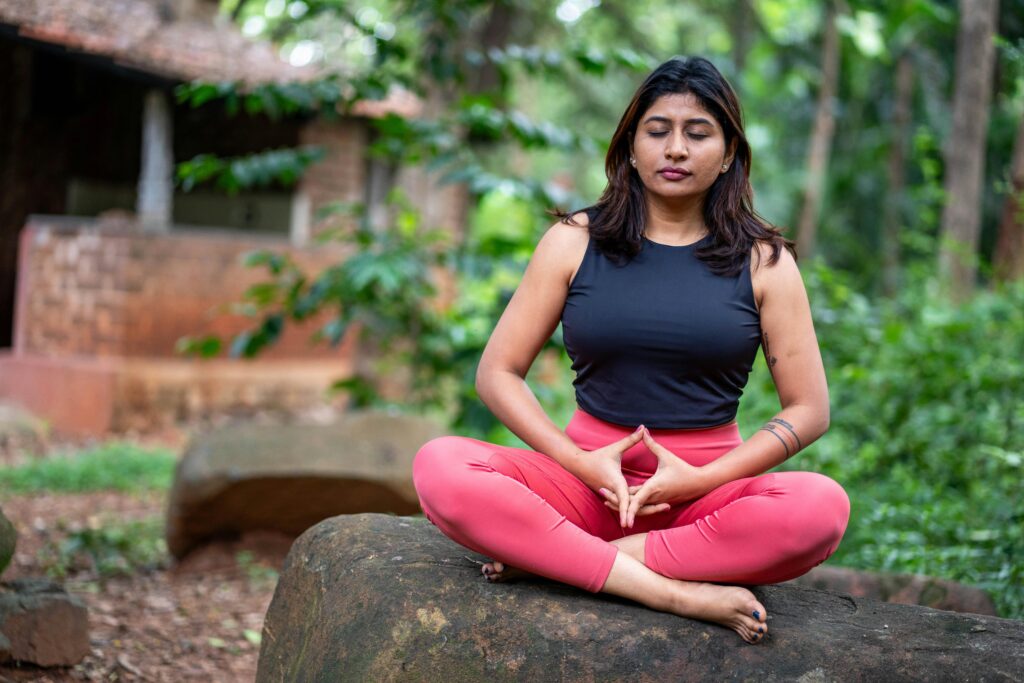
Mindfulness means being present without critiquing yourself for wandering thoughts. Start with two minutes daily. Sit quietly, observe your breath, and let thoughts pass like clouds—not judgment calls.
Step 2: Journal to Release Mental Clutter
Dump your thoughts onto paper. Write crappy sentences if you want—it’s not graded. The act of writing clears space for clarity.
Step 3: Use Breathwork to Calm Your Nervous System
Breathe in for four counts, hold for four, exhale for six. Repeat five times. Sounds basic? Sure. But it works because oxygen tells your brain, “Relax, dude.”
Step 4: Foster Gratitude Like It’s Your Job

Gratitude rewires your brain to focus on positives. Every night, jot three things you’re thankful for—even if it’s something silly like “pizza exists.”
Step 5: Connect With Nature Regularly
Go outside. Seriously. Walk barefoot in grass, watch leaves fall, or sit under the stars. Earth loves grounding us more than Wi-Fi ever will.
Step 6: Do a Digital Detox Daily
Create tech-free zones (hello, dinner table!) and times (goodbye, doomscrolling before bed). Trust me, Instagram isn’t going anywhere.
Step 7: Be Kind to Yourself—Always
Self-compassion is non-negotiable here. Missed a step? Cool. Start again tomorrow. Shaming yourself kills progress faster than a squirrel stealing your snack.
Tips to Make the Most of Your Journey
- Pair Steps Together: Combine gratitude with journaling or mindfulness with breathwork.
- Create Anchors: Tie practices to habits you already have, like meditating while brushing your teeth.
- Avoid Perfectionism: This isn’t about becoming a zen master overnight. Progress > perfection.
Real-Life Examples of Finding Calm
Sarah, a marketing exec, used to spiral into anxiety attacks weekly. She started walking her dog every morning without headphones, focusing solely on the sounds around her. Within weeks, her panic episodes dwindled significantly.
Then there’s Tom, a teacher who hated silence. Instead of forcing himself to sit still, he played soft instrumental music while journaling. His newfound routine helped him sleep better and laugh more.
FAQs About Inner Peace Practices
Are the 7 Tranquility Steps Enough on Their Own?
No magic formula guarantees instant serenity. However, these steps create a strong foundation for building resilience against stress.
What If I Can’t Stick to All 7 Steps?
You don’t need all seven. Pick two or three that resonate most. Consistency beats quantity any day.
Is Inner Peace Possible Amid Chronic Stress?
Yes, though chronic conditions may require professional support alongside personal efforts. Therapy pairs beautifully with these tranquility steps.
Conclusion
Congratulations—you now know the 7 tranquility steps to cultivate inner peace. Remember, you don’t need mountainside retreats or endless free time to thrive mentally. Even tiny shifts can lead to profound changes.
So next time life starts feeling like a whirlwind, pause. Take a deep breath. Then whisper, “I’ve got this.” Because guess what? You really do.
Here’s a haiku to send you off:
Whispers through the trees,
Breathe in, let calm settle deep—
Peace begins within.