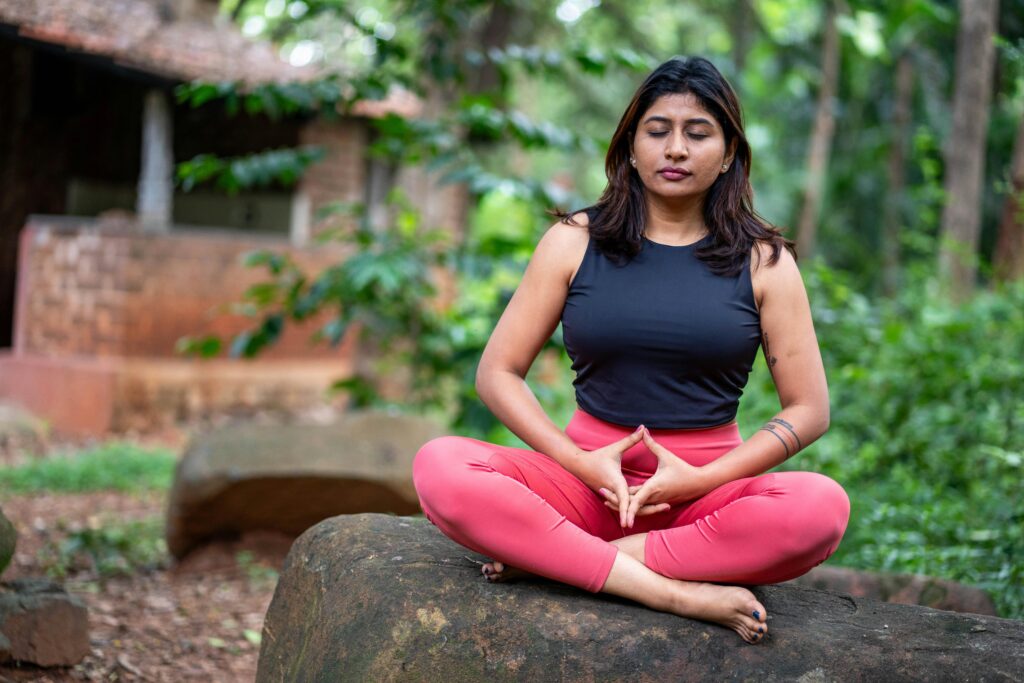
Ever felt like your brain is running at full speed, juggling deadlines, notifications, and endless responsibilities? You’re not alone. Studies show that over 77% of adults experience stress-related symptoms, leaving them drained and disconnected from their sense of calm. But what if there was a way to cultivate serenity amidst the chaos?
In this guide, you’ll discover the art of serenity cultivation—a process designed to help you reclaim your inner peace, reduce stress, and live with greater mindfulness. We’ll explore actionable steps, best practices, and even share some brutal honesty about why finding tranquility isn’t always easy (hello, Instagram scrolling!). Ready to dive in?
Table of Contents
- Why Serenity Matters More Than Ever
- How to Cultivate Serenity: Step-by-Step
- Tips for Success in Serenity Cultivation
- Real-Life Examples of Serenity in Action
- Frequently Asked Questions About Serenity Cultivation
Key Takeaways
- Serenity cultivation requires mindful habits and intentional lifestyle changes.
- Tools such as meditation, journaling, and nature walks play a crucial role in fostering inner peace.
- Achieving balance doesn’t happen overnight—it takes patience, consistency, and self-compassion.
Why Serenity Matters More Than Ever
Let’s face it: modern life feels like being on a hamster wheel. Between work pressures, social media comparisons, and personal obligations, many of us are constantly chasing something—or worse, someone else’s definition of success.

I’ll admit, I’ve been there too. Once, I tried meditating while simultaneously checking emails. Spoiler alert: It didn’t work. My phone buzzed every few seconds, and instead of feeling calmer, I ended up angrier—angrier at myself for failing yet again to “find peace.” Sound familiar?
This is exactly why serenity cultivation matters. Without a strong foundation of inner peace, we risk burning out or losing touch with who we truly are.
How to Cultivate Serenity: Step-by-Step
Step 1: Create Space for Mindfulness
Start small by setting aside just five minutes each day for mindful reflection. Focus on your breath, observe your thoughts without judgment, and let go of anything causing tension. This simple practice can feel awkward at first—but trust me, it gets easier.
Step 2: Explore Your Emotional Triggers
Ask yourself: What disrupts my peace? Maybe it’s toxic relationships, unrealistic expectations, or those pesky news alerts. Identifying these triggers allows you to address them head-on—or better yet, eliminate them altogether.
Step 3: Build Healthy Coping Mechanisms
If caffeine-fueled rants sound all too relatable (*raises hand*), it might be time to swap them out for healthier outlets. Consider journaling, yoga, or talking to a trusted friend when overwhelm strikes.

“Optimist You:* ‘Follow these steps, and serenity will follow!’
Grumpy You: ‘Easier said than done, but fine—let’s give it a shot.'”
Tips for Success in Serenity Cultivation
- Limit Screen Time: Scrolling endlessly through doom-and-gloom headlines? Chef’s kiss for destroying your serenity. Try implementing screen-free hours before bed.
- Surround Yourself with Positivity: Whether it’s uplifting podcasts or motivational quotes, curate content that fuels your mental wellness.
- Nature Therapy Works Wonders: Spending time outdoors has been proven to lower cortisol levels and boost mood. Bonus points if you make barefoot walking part of your routine!
Bonus Tip (Warning: Terrible Idea): Go ahead and try ignoring your emotions—they’ll probably disappear on their own… said no therapist ever.
Rant Moment:
Who else hates how productivity apps market themselves as “stress-reducing” tools? Newsflash: If an app sends you push notifications every hour, guess what—it’s adding to your stress, not reducing it. Ugh.
Real-Life Examples of Serenity in Action
Taking inspiration from others can be incredibly powerful. Here’s one story that stands out:
Maria, a corporate lawyer, struggled with chronic anxiety until she committed to daily meditation sessions. Within weeks, she noticed improvements—not just mentally, but physically as well. Her blood pressure dropped, sleep improved, and she reported feeling more grounded despite her demanding job.

Frequently Asked Questions About Serenity Cultivation
Q1: How long does it take to see results?
Results vary depending on individual commitment, but most people notice positive shifts within 3-6 weeks of consistent effort.
Q2: Can I achieve serenity without meditation?
Absolutely! While meditation is helpful, activities like gardening, painting, or even cooking mindfully can also foster peace.
Q3: What should I do if I fail?
Failing is normal—it means you’re trying. Treat setbacks as learning opportunities rather than permanent failures.
Conclusion
Cultivating serenity isn’t a quick fix—it’s a journey. By creating space for mindfulness, addressing emotional triggers, and building healthy coping mechanisms, you can navigate life’s challenges with grace and resilience. Remember, perfection is overrated; progress is what counts.
To recap:
- Identify what disrupts your peace.
- Prioritize self-care practices like meditation or spending time in nature.
- Be kind to yourself along the way.
And hey, here’s your random haiku:
Whispers of stillness,
Echo through the morning air—
Breathe deep, find your calm.