Ever felt like your brain is a runaway train, barreling through endless thoughts of stress and anxiety? You’re not alone. Millions of people struggle to find calm in the chaos of daily life. But what if there was a way to quiet that mental noise—without meditating for hours or popping pills? Enter zen sound therapy, a scientifically-backed method that uses soothing sounds to help you reclaim your inner peace.
In this post, we’ll explore why zen sound therapy has become a game-changer for those seeking mental wellness. You’ll learn how it works, step-by-step instructions on getting started, actionable tips to maximize its benefits, real-world examples of transformation, and answers to FAQs about this powerful practice.
Table of Contents
- Why Modern Life Needs Zen Sound Therapy
- Step-by-Step Guide to Practicing Zen Sound Therapy
- Tips and Best Practices for Optimal Results
- Real-Life Examples of Transformation Through Zen Sound Therapy
- Frequently Asked Questions About Zen Sound Therapy
Key Takeaways
- Zen sound therapy leverages calming frequencies to reduce stress and promote relaxation.
- It’s easy to incorporate into your routine with minimal equipment.
- This technique is backed by research showing improvements in mental clarity and emotional balance.
- Avoid common mistakes like overdoing sessions or using poor-quality audio devices.
Why Modern Life Needs Zen Sound Therapy
Let me confess something: I used to think meditation apps were a waste of time. One evening, after an especially rough day at work, I decided to “give them one last shot.” Spoiler alert: it wasn’t mindfulness exercises but a playlist labeled “Zen Soundscapes” that finally clicked for me. The gentle hums and soft chimes drowned out my racing thoughts, leaving me feeling lighter than I had in weeks.
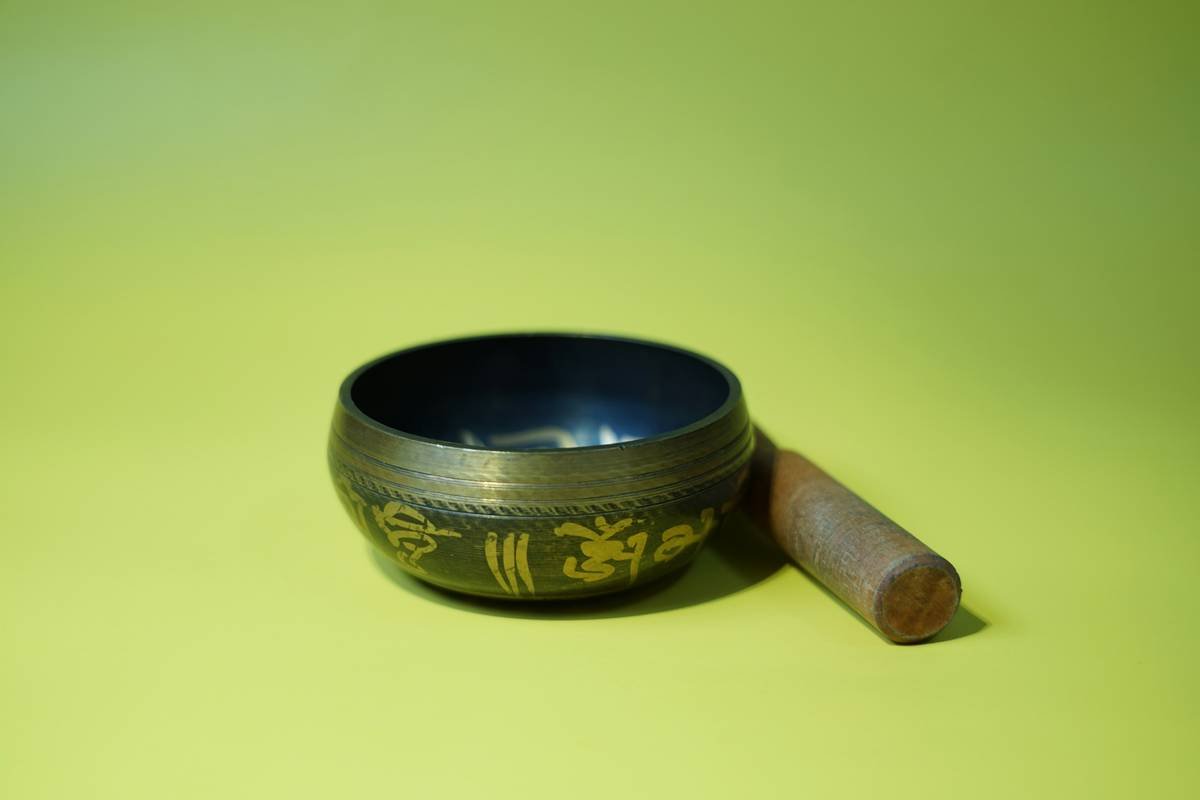
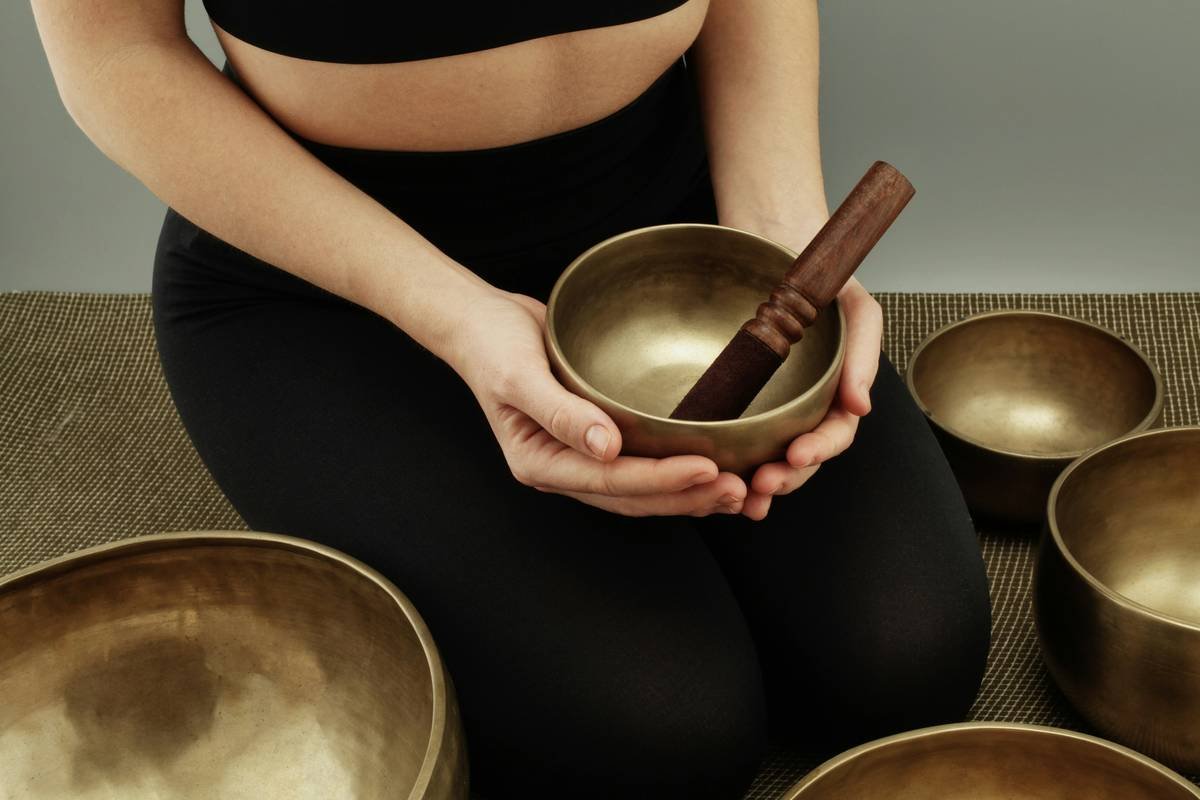
This experience isn’t unique. According to recent studies, chronic stress affects nearly 80% of workers globally. And while traditional methods like yoga or journaling are fantastic, they don’t always click for everyone. That’s where zen sound therapy shines—it bypasses resistance by engaging directly with your senses. Whether it’s binaural beats or Tibetan singing bowls, these sounds can synchronize your brainwaves to induce relaxation—like magic.
Step-by-Step Guide to Practicing Zen Sound Therapy
Optimist You:** “This sounds amazing! Where do I start?”
Grumpy You: “Ugh, fine—but only if coffee’s involved.”
- Set the Scene: Find a quiet space free from distractions. Dim the lights, grab a cozy blanket, and maybe a cup of herbal tea (sorry, no coffee here).
- Choose Your Sounds: Download high-quality tracks featuring nature sounds, chanting monks, or binaural beats. Apps like Calm or Insight Timer have great options.
- Start Small: Begin with 5–10 minutes per session. Gradually increase as you get comfortable.
- Focus & Breathe: Close your eyes, breathe deeply, and let the sounds guide your focus away from intrusive thoughts.
- Reflect Post-Session: Spend a moment jotting down how you feel afterward. Over time, you’ll notice patterns of improvement.
Tips and Best Practices for Optimal Results
Tips Chef’s Kiss Approved
- Invest in good headphones. Poor sound quality ruins the vibe faster than a Wi-Fi outage during Netflix binge-watching.
- Create playlists tailored to different moods. Need energy? Go for upbeat tones. Craving calm? Stick to slow, rhythmic melodies.
- Pair sessions with aromatherapy—lavender oil smells divine and enhances relaxation vibes.
Terrible Tip Disclaimer:
Do NOT fall asleep mid-session unless you’ve set alarms. Falling asleep repeatedly might make your brain associate the therapy solely with bedtime (which limits versatility).
Rant Corner:
Okay, rant incoming. WHY ARE THERE SO MANY LOW-QUALITY “sound healing” videos cluttered with ads?! It’s infuriating when you’re trying to chill and some random ad screams about weight loss pills mid-track. PLEASE RESPECT THE PROCESS.
Real-Life Examples of Transformation Through Zen Sound Therapy
Meet Sarah, a burned-out marketing executive who stumbled upon zen sound therapy during her lunch breaks. After two months of consistent use, she reported improved sleep, reduced irritability, and even better performance reviews! Similarly, James—a college student overwhelmed by exams—found solace in delta-wave recordings, which helped him ace finals without losing his sanity.

Frequently Asked Questions About Zen Sound Therapy
Is Zen Sound Therapy Scientifically Proven?
Yes! Research shows that specific frequencies can alter brainwave activity, promoting states of relaxation and focus.
Can Children Use Zen Sound Therapy?
Absolutely! Just ensure the volume is low, and choose kid-friendly tracks like ocean waves or bird songs.
How Long Does It Take to See Benefits?
Some people report immediate effects, while others may need several weeks of consistent practice to notice significant changes.
Conclusion
Incorporating zen sound therapy into your wellness routine is more than just trendy—it’s transformative. By addressing modern stressors head-on, you unlock doors to inner peace that might otherwise remain closed. So go ahead, press play, and let the healing begin.
Like a Tamagotchi, your mental health needs daily care. Feed it zen sound therapy today!