“Ever felt like your mind is a whirlpool of endless thoughts and stress? Yeah, me too.”
If you’re nodding along right now, you’re not alone. Modern life moves at the speed of Wi-Fi, leaving us constantly overwhelmed. Studies show that over 80% of adults report feeling stressed daily, yet few have actionable tools to find calm amidst chaos.
Fear not—this post is here to help you reclaim your serenity through zen gratitude practices. By blending ancient wisdom with modern mindfulness techniques, you’ll learn how to cultivate inner peace one deep breath at a time.
Here’s what’s on deck:
- Why gratitude can be your secret weapon
- A step-by-step guide to practicing zen gratitude
- Tips for making these practices stick in real life
Table of Contents
- Key Takeaways
- Why Gratitude Matters for Inner Peace
- Step-by-Step Guide to Zen Gratitude Practices
- Best Practices for Lasting Calm
- Real-Life Examples of Transformation
- Frequently Asked Questions
- Conclusion
Key Takeaways
- Zen gratitude practices combine mindfulness with intentional thankfulness to foster inner peace.
- Regular practice reduces anxiety, improves focus, and creates emotional resilience.
- Actionable steps include journaling, mindful breathing, and reframing challenges as opportunities.
Why Gratitude Matters for Inner Peace
Picture this: I was stuck in bumper-to-bumper traffic last week (ugh). Instead of fuming about being late, I decided to count my blessings—an oddly comfy car seat, podcasts I love, and even the chance to slow down. It sounds cheesy, but guess what? Suddenly, I wasn’t so mad anymore.
Science backs up this approach. Research shows that people who regularly practice gratitude experience 25% less stress. Their brains actually rewire to prioritize positivity, helping them navigate tough seasons better than those without such habits.
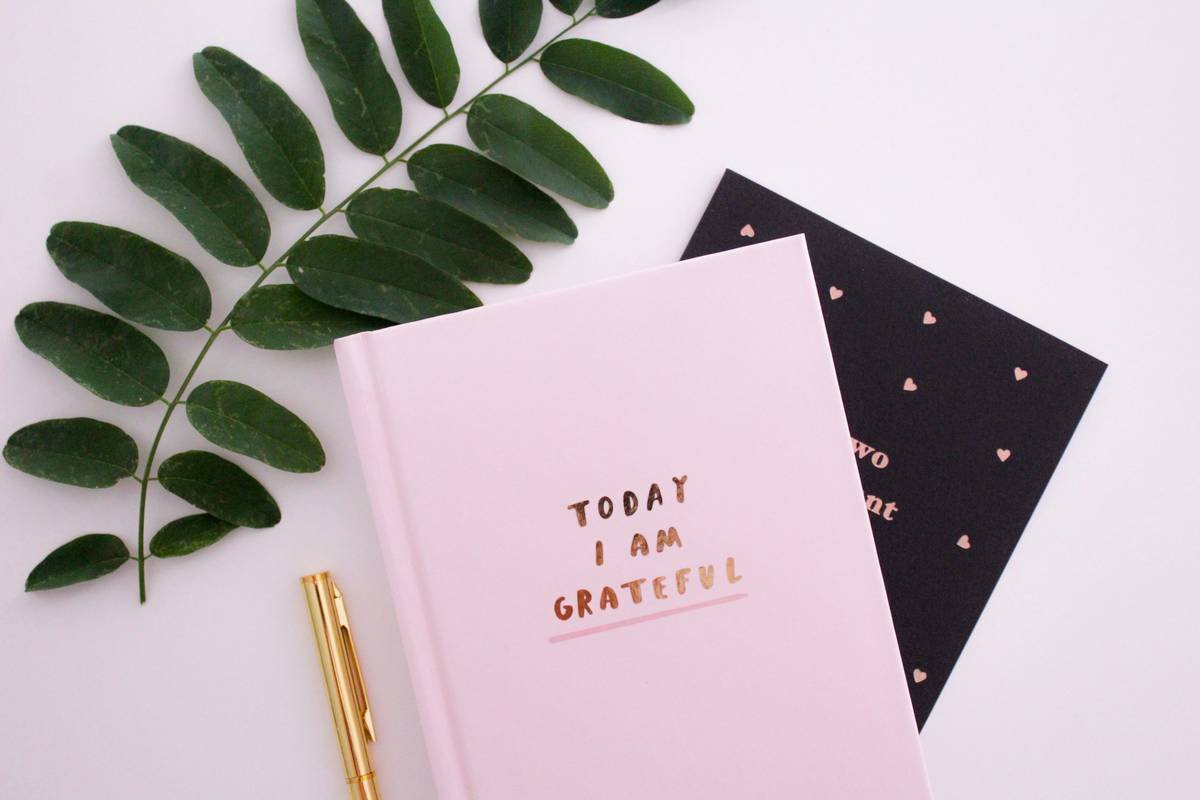
But let’s get real—it’s easy to say “be grateful” and harder to make it stick. The good news? Zen gratitude practices are low-barrier and highly effective. Here’s why they work:
- They encourage presence over perfection.
- They align with both ancient philosophies and modern neuroscience.
- They don’t require expensive apps or fancy equipment.
Step-by-Step Guide to Zen Gratitude Practices
Optimist You: “Follow these five simple steps!”
Grumpy You: “Ugh, fine—but only if coffee’s involved.”
Step 1: Start with Mindful Breathing
Sit quietly for two minutes. Focus solely on your breath going in and out. Sounds simple, but try it during a hectic day—it’s chef’s kiss for drowning out mental clutter.
Step 2: Create a Gratitude Journal Ritual
Every evening, jot down three things you’re thankful for today. No judgment allowed! Even something small like “my favorite snack” counts.
Step 3: Add Visual Cues Around Your Space
Place sticky notes or small objects around your home that remind you to pause and reflect on the positives. Seeing “thankful” written on your mirror when brushing your teeth? Game-changing.
Step 4: Practice Reframing Challenges
Got dumped by rain while walking your dog? Think instead: “At least we got fresh air!” This isn’t toxic positivity; it’s rewiring negativity bias.
Step 5: End Each Day with Reflection
Before bed, ask yourself: What went well today? Who made me smile? These reflections act like a mental reset button.
Best Practices for Lasting Calm
Tip #1: Don’t Overcomplicate It
One terrible tip floating online? Trying to force gratitude lists into dozens of entries per day. Spoiler alert: That burns out fast. Keep it short but meaningful.
Tip #2: Avoid Comparisons
Nobody needs social media envy creeping into their zen zone. Your gratitude list should celebrate YOUR wins—not someone else’s highlight reel.
Tip #3: Pair Practices with Existing Routines
Attach zen rituals to existing habits, like drinking coffee or brushing your teeth. Anchoring makes consistency easier.
Real-Life Examples of Transformation
Meet Sarah, a marketing exec drowning in burnout. She started using zen gratitude practices after reading about their benefits. Within weeks, she noticed fewer panic attacks and more joy in everyday moments. Her secret? A pocket notebook where she scribbled gratitudes during her commute.
And then there’s James, a teacher struggling with classroom stress. He introduced a nightly ritual of writing grateful thoughts before bed. Six months later, he reported calmer mornings and improved relationships with his students.

Frequently Asked Questions
What Are Zen Gratitude Practices?
Zen gratitude practices blend mindfulness techniques with acts of thankfulness to promote inner peace and reduce stress.
Do I Need Special Tools?
Nope! All you need is pen, paper, and a willingness to embrace simplicity.
How Long Does It Take to See Results?
Some notice improvements within days, but lasting change typically takes weeks of consistent practice.
Conclusion
Life doesn’t slow down just because we want it to—that’s why finding ways to nurture inner peace matters more than ever. Through zen gratitude practices, you can turn everyday moments into opportunities for growth and calm.
Ready to give it a shot? Grab a notebook, pick one tip, and start today. And hey, if all else fails, remember: Whiskey optional, gratitude mandatory.
Like a Tamagotchi, your inner peace thrives best with daily care.
(Insert haiku)
Silent breath whispers,
Gratitude blooms in stillness—
Peace becomes you.