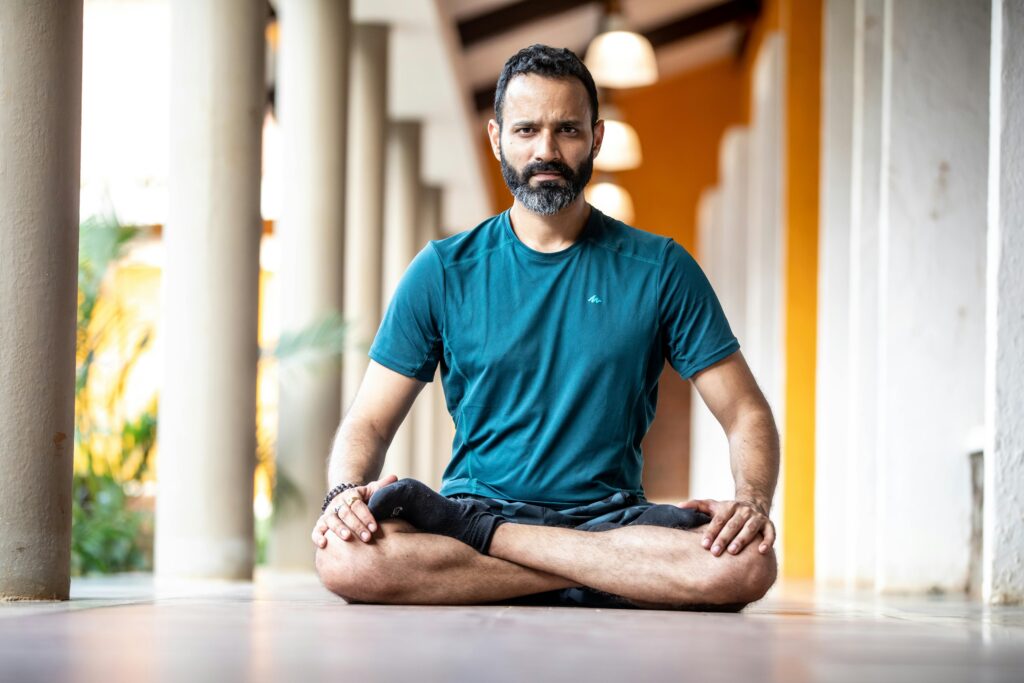
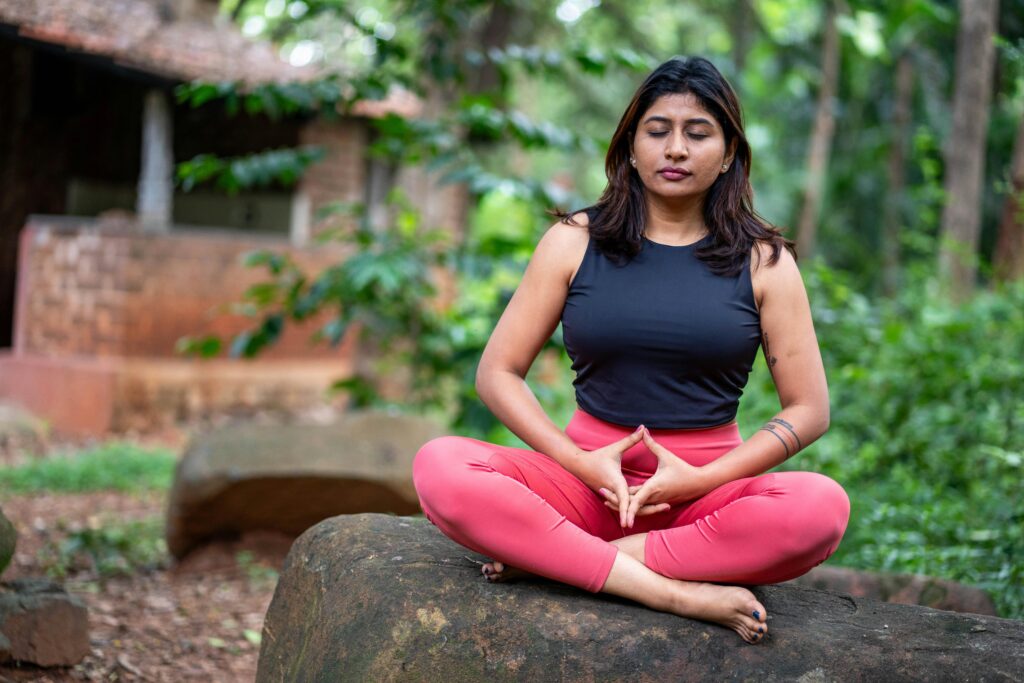
Ever felt like your mind is a tornado of stress, spinning out of control? Yeah, us too. What if I told you that the secret to inner peace might be as simple—and powerful—as practicing gratitude? Sounds almost…too easy, right? But stick with me. In this post, we’ll dive deep into how cultivating gratitude can transform chaos into calm, offering actionable steps, real-world examples, and even a little tough love for those days when it feels impossible.
You’ll learn:
- How gratitude rewires your brain for positivity
- Actionable steps to practice gratitude daily
- Tips to make gratitude work for YOU (without feeling fake or forced)
Table of Contents
- Why Is Gratitude So Powerful?
- Step-by-Step Guide to Cultivating Gratitude
- Best Practices for Peace Through Gratitude
- Real-Life Examples: How Others Found Peace
- Frequently Asked Questions About Gratitude
Key Takeaways
- Gratitude activates the brain’s reward system, reducing stress and boosting happiness.
- Daily practices, like journaling or reflection, can create lasting changes in mental wellness.
- Avoid common pitfalls, such as “gratitude guilt,” by focusing on authenticity over perfection.
Why Is Gratitude So Powerful?
Let’s get real—life gets messy. Deadlines pile up, relationships strain, and some mornings just feel…off. Enter gratitude. Research shows that practicing gratitude doesn’t just give you warm fuzzies; it actually rewires your brain for resilience. According to a study published in Psychological Science, people who regularly practiced gratitude showed increased activity in their prefrontal cortex—the area responsible for decision-making and emotional regulation.
“This strategy is chef’s kiss for drowning out the noise of modern life.” — Me, probably after my third cup of coffee.

The Misstep That Changed Everything
Confession time: I once tried to force gratitude during a brutal week at work. Picture this: burned toast, missed deadlines, and emails piling higher than Mount Everest. I wrote, “I’m grateful for deadlines because they teach discipline.” Cue eye roll. It didn’t help—it made me angrier. Lesson learned: fake gratitude isn’t sustainable. Authenticity matters.
Step-by-Step Guide to Cultivating Gratitude
Step 1: Start Small—Notice One Good Thing Daily
“Optimist You” says: “Just notice one thing today!”
“Grumpy You” counters: “Ugh, fine—but only if coffee counts.” Spoiler alert—it totally does.
- Sit quietly for two minutes each morning.
- Think of one small win—a good meal, kind words from a friend, anything!
- Write it down. Seriously, pen-to-paper action makes all the difference.
Step 2: Build Your Gratitude Muscle
Like biceps curls but for your soul: graduate to noticing three things daily. By Day 7, you won’t believe how different your mindset feels.
Step 3: Share It With Someone Else
Here’s where it gets fun. Tell someone why you’re thankful for them—not via text, but face-to-face (or video call). Their smile will multiply your own sense of fulfillment.
Best Practices for Peace Through Gratitude
#1 Keep It Real
Authenticity > perfection. If writing “I’m grateful my dog didn’t chew another shoe today” helps, go for it. Don’t overthink it.
#2 Avoid “Gratitude Guilt”
If you miss a day—or five—it’s okay! This isn’t about guilt-tripping yourself; it’s about progress, not perfection.
#WARNING The Terrible Tip:
“Write down ten things every single day.” Hold up. Unless you’re already a gratitude guru, this approach leads straight to burnout. Stick to manageable goals instead.
Real-Life Examples: How Others Found Peace
Take Sarah, a marketing manager juggling endless projects. She started her gratitude journey by jotting down one thing nightly. Within weeks, she reported lower anxiety levels and newfound clarity. Or consider James, whose practice of sharing gratitude with coworkers improved team morale—and boosted productivity.
Frequently Asked Questions About Gratitude
What if I don’t have time to practice gratitude?
No excuses needed! Even five seconds count. Whisper “thank you” under your breath while brushing your teeth. Boom—done.
Does gratitude really reduce stress?
Yes! Studies show that gratitude lowers cortisol levels, making it easier to handle stressful situations.
Can children benefit from gratitude practices?
Absolutely. Teaching kids to say “thank you” fosters empathy and resilience early on.
Conclusion
Remember: finding peace through gratitude isn’t about achieving Zen-level enlightenment overnight. It’s about taking tiny, intentional steps toward inner calm. Notice the good, embrace the imperfect, and watch how gratitude transforms your world—one moment at a time.
Final Thought: Like a Tamagotchi, your gratitude practice needs daily care. Don’t neglect it, and it’ll thrive.
 Stress fades,
 Breath slows,
 Thankful heart grows.