Ever felt like your mind is an overpacked suitcase ready to burst? Yeah, us too. In a world that insists we hustle until we drop, finding inner peace can feel impossible. But here’s the deal: What if I told you there are simple, actionable peace-seeking rituals that can quiet the noise and restore balance to your life? Sounds dreamy, right?
In this post, you’ll dive into:
- The science behind why inner peace feels elusive (and how to fix it).
- A step-by-step guide to creating your own peace-seeking rituals.
- Real-world examples and brutal honesty about what doesn’t work.
Table of Contents
- Key Takeaways
- The Problem with Finding Inner Peace Today
- How to Build Your Own Peace-Seeking Rituals
- Tips & Best Practices for Mastering Inner Calm
- Real-Life Examples of Peace in Action
- Frequently Asked Questions About Peace-Seeking Rituals
- Conclusion
Key Takeaways
- Peace-seeking rituals help reduce stress by fostering mindfulness and intentionality.
- These rituals don’t need hours or fancy tools—they can be as short as five minutes.
- The key is consistency: Small daily actions compound into huge shifts over time.
The Problem with Finding Inner Peace Today
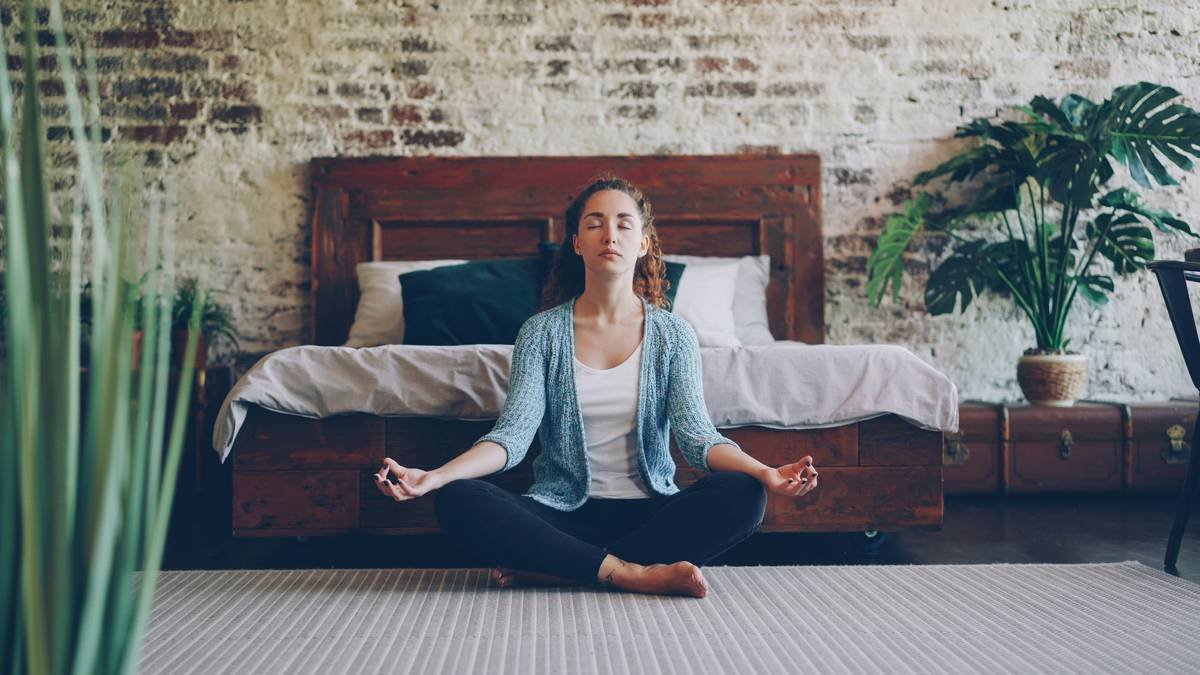
Seriously, though—how many times have you scrolled Instagram late at night thinking, “Why does everyone else look so chill while my brain sounds like Fortnite explosives?” Ugh. The truth? Most people *aren’t* actually calm. They’re faking it online while silently drowning in chaos just like you.
I once tried meditating for 20 minutes straight without understanding what I was doing. Spoiler alert: I ended up more frustrated than zen. Without structure, even the best intentions fall flat.
Here’s another kicker: Studies show that chronic stress affects not only mental health but also physical wellness, leading to issues like heart disease and weakened immune systems. That’s where peace-seeking rituals come in—they act as anchors in stormy waters.
How to Build Your Own Peace-Seeking Rituals
Optimist You: “Follow these steps to create perfect peace-seeking moments!”
Grumpy You: “Ugh, okay—but let me grab some coffee first.”
Step 1: Choose a Trigger Moment
Pick something consistent in your day—a cup of tea, brushing your teeth, stepping out the door. These triggers will cue your brain to switch from chaos mode to calm mode.
Step 2: Make It Mindful
Rather than rushing through the moment, engage all your senses. Feel the warmth of your mug, smell the aroma, listen to the silence around you. Yes, it sounds woo-woo, but science backs this stuff up.
Step 3: Keep It Consistent
Consistency > perfection. Even five minutes a day adds up faster than binge-watching Netflix. Promise.
Tips & Best Practices for Mastering Inner Calm
Tip #1: Start Tiny
Don’t overwhelm yourself trying to do an hour-long yoga session every morning unless you’re secretly already an enlightened guru. Five mindful breaths count!
Tip #2: Ditch Perfectionism
“But what if I mess up?” Great question. Messing up means you’re human. Move on.
Tip #3: Avoid This Terrible Tip
Buying expensive crystals because someone told you they’ll solve everything. Cool if it works for you, but remember, no rock replaces actual effort.
Real-Life Examples of Peace in Action

Jane, a teacher overwhelmed by classroom drama, started journaling gratitude lists before bed. She says, “It shifted my focus away from problems and toward joys.” Another example? Mike, a software developer, incorporated a ‘shutdown ritual’ after work—dimming lights, walking barefoot outside, and sipping herbal tea. Now his evenings belong to him again.
Frequently Asked Questions About Peace-Seeking Rituals
FAQ #1: How Long Should My Ritual Take?
Anywhere from 5 minutes to half an hour—it depends on your schedule and goals. The shorter version is better than none at all!
FAQ #2: What If It Feels Fake at First?
Totally normal. Faking it till you make it applies here, too. Fake zen = real zen eventually.
FAQ #3: Can Kids Do Peace-Seeking Rituals?
Absolutely. Teaching kids simple breathing exercises or bedtime reflections sets them up for lifelong emotional resilience.
Conclusion
Let’s recap: Peace-seeking rituals aren’t complicated. They’re flexible, adaptable practices designed to give YOU control over YOUR mental well-being. So go ahead—start small, stay consistent, and watch those tiny changes ripple outward. And hey, who knows? Maybe one day, you’ll look back and realize that noisy headspace has turned whisper-quiet.
Oh, and since we love nostalgia as much as you do, here’s a haiku to close things out:
Chaotic mind spins,
A deep breath brings stillness—
Thank you, peace-seeking.