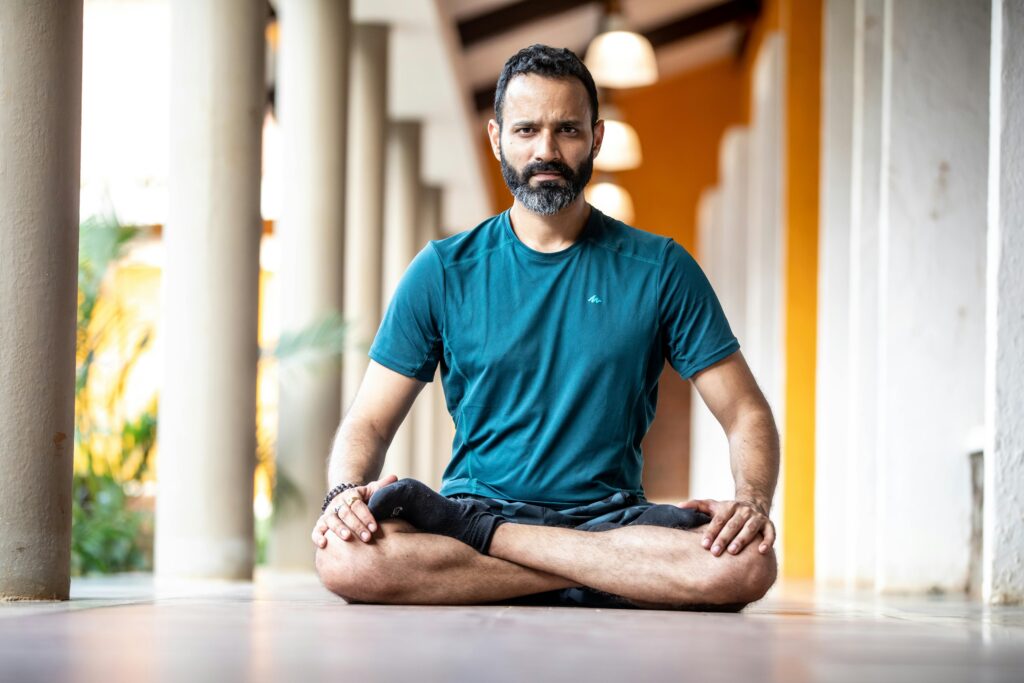
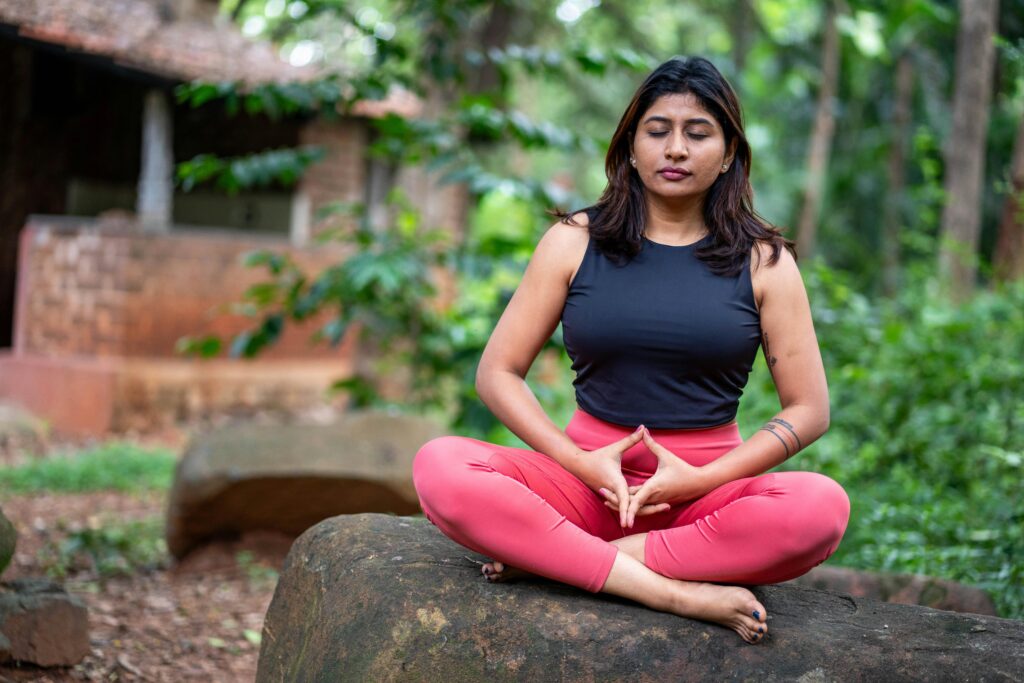
Ever felt like your mind is spinning faster than a hamster wheel? You’re not alone. With the constant buzz of notifications, deadlines, and endless to-do lists, it’s no wonder so many of us struggle with inner peace. But what if I told you there’s a simple practice that can help quiet the chaos? Enter grounding for inner peace. In this post, we’ll explore how grounding works, why it’s effective, and actionable steps to incorporate it into your daily routine.

Table of Contents
- Introduction
- Key Takeaways
- Why Grounding Matters
- Step-by-Step Guide to Grounding
- Tips for Effective Grounding
- Real-Life Examples of Grounding Success
- Frequently Asked Questions
- Conclusion
Key Takeaways
- Grounding helps reduce anxiety by reconnecting you with the present moment.
- Techniques include sensory exercises, mindfulness practices, and nature immersion.
- Consistency is key—practice grounding regularly for maximum benefits.
Why Grounding Matters
I’ll admit it—I once tried meditating while scrolling through Instagram. Spoiler alert: It didn’t work. My brain was as scattered as my phone’s home screen. That’s when I stumbled upon grounding, and let me tell you, it felt like finding a secret cheat code for calm.
Grounding isn’t just some woo-woo wellness trend; science backs it up. Research shows that reconnecting with our surroundings reduces cortisol levels (the stress hormone) and promotes mental clarity. Think about it—when was the last time you truly noticed the texture of tree bark or the sound of birds chirping? If your answer is “never,” you’re missing out on a powerful tool for inner peace.
Optimist You: “This sounds promising!”
Grumpy You: “But does it actually work, or am I just standing barefoot feeling awkward?” Fear not—we’ll dive deeper soon.

Step-by-Step Guide to Grounding
How Do You Start Practicing Grounding?
Here’s the good news: Grounding doesn’t require hours of meditation or expensive equipment. Follow these steps to get started:
- Find a Quiet Space: Whether it’s your backyard, a park, or even indoors near a window, choose a spot where distractions are minimal.
- Focus on Your Senses: Identify five things you can see, four things you can touch, three things you can hear, two things you can smell, and one thing you can taste. This exercise anchors you in the present moment.
- Connect with Nature: Walk barefoot on grass, sand, or soil. Known as “earthing,” this physical connection has been shown to balance electrical currents in the body.
- Breathe Deeply: Take slow, intentional breaths. Inhale for four counts, hold for four counts, exhale for four counts. Repeat until you feel calmer.
Terrifying Tip Alert!
Avoid using your phone during grounding sessions—at least, unless you want to sabotage your progress. Yes, snapping photos of leaves might seem artistic, but trust me, Instagram can wait.
Tips for Effective Grounding
Want to supercharge your grounding game? Here are some best practices:
- Make It Routine: Set aside 5–10 minutes each day for grounding. Consistency trumps perfection.
- Create Anchors: Use objects like smooth stones or scented candles to trigger mindfulness.
- Rant Break: Seriously, who decided multitasking was a virtue? Doing laundry while trying to ground yourself is like eating soup with chopsticks—it just doesn’t work.

Real-Life Examples of Grounding Success
Meet Sarah, a corporate executive who struggled with burnout. After incorporating grounding into her morning routine, she reported a 40% decrease in stress levels and improved focus at work. Or consider James, a college student who swapped late-night TikTok binges for evening strolls. His grades improved, and he felt more emotionally resilient.
Frequently Asked Questions
Is Grounding Just Another Word for Meditation?
Not exactly! While both aim to cultivate presence, grounding specifically focuses on connecting with your environment through sensory awareness.
Can Grounding Help with Anxiety Attacks?
Absolutely. By redirecting attention away from racing thoughts, grounding creates space for calmness to return.
Do I Need Special Tools?
Nope! The beauty of grounding lies in its simplicity—you already have everything you need within reach.
Conclusion
Finding inner peace doesn’t have to be complicated. By embracing grounding for inner peace, you unlock a natural antidote to life’s chaos. Remember, consistency beats intensity every time. So go ahead, kick off those shoes, and let Mother Earth remind you of what really matters.
“Like a Tamagotchi, your mental health needs daily care.” 😉