
Ever laid awake for hours, your mind buzzing with to-do lists and “what if” scenarios? What if we told you there’s a simple solution that sounds like a soft rainstorm against your window—quiet mind music?
In this post, we’re exploring the magic of quiet mind music, from its surprising benefits for inner peace to practical tips on using it effectively. Spoiler alert: It’s not just New Age fluff—it’s backed by science (but also… flutes). You’ll learn what quiet mind music is, how to incorporate it into your daily routine, and where to find the best playlists.
Table of Contents
- Why Quiet Mind Music Matters for Inner Peace
- Step-by-Step Guide to Using Quiet Mind Music Effectively
- Tips & Best Practices for Maximizing Its Benefits
- Real-Life Stories: How Quiet Mind Music Changed Lives
- Frequently Asked Questions About Quiet Mind Music
Key Takeaways
- Quiet mind music helps reduce stress, improve focus, and enhance meditation practices.
- Consistency is key—incorporate it into your daily self-care rituals for maximum impact.
- Not all “relaxation” music works; avoid overly stimulating tracks disguised as calming tunes.
Why Quiet Mind Music Matters for Inner Peace
“Inner peace” sounds great in theory but feels impossible when life hits you like a truckload of deadlines. Let me confess something here—I once tried meditating with heavy metal because I thought louder = more intense focus. Yeah, nope. My dog gave me a side-eye so sharp it could cut glass. Lesson learned: The wrong music can sabotage even the best intentions.
So why does quiet mind mind music work? Studies show that certain frequencies (think binaural beats and ambient sounds) trigger relaxation responses in your brain. Imagine flipping an internal switch that says, “Chill mode activated.” That’s exactly what happens when you press play on these soundscapes.
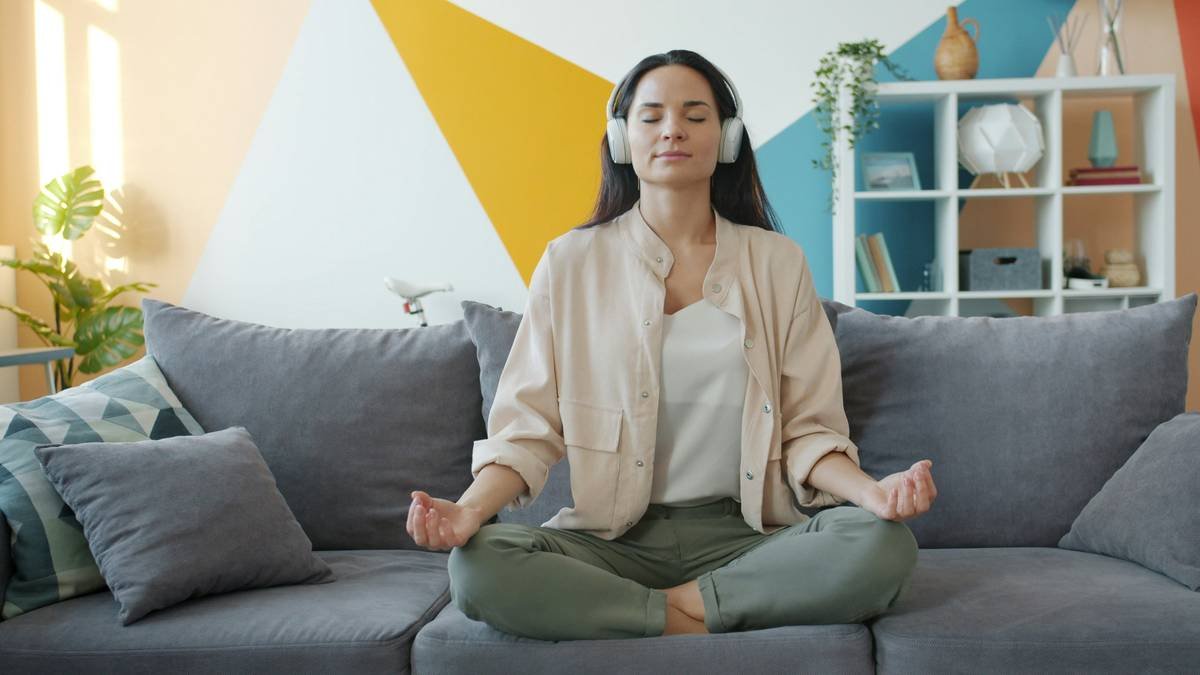
Step-by-Step Guide to Using Quiet Mind Music Effectively
Optimist You: “Just hit play, right?”
Grumpy You: “It’s not rocket science, but ugh, fine. There *are* rules.”
1. Choose Your Soundtrack Wisely
Ditch chaotic playlists designed for workouts. Instead, opt for gentle instrumental tracks, nature-inspired melodies, or anything labeled “binaural beats.” Need suggestions? Start with Spotify playlists titled “Focus Flow” or YouTube channels dedicated to ASMR.
2. Create a Routine Around It
Consistency matters! Whether it’s during morning coffee prep or nighttime wind-downs, make quiet mind music part of your ritual. Think of it like flossing—annoying at first, transformative over time.
3. Set Boundaries for Distractions
Turn off notifications, dim the lights, and maybe throw a pillow fort together (okay, optional). Creating a focused environment enhances the effect of the music.
[Terrible Tip Alert!] Skip Volume Control Completely
This one’s risky, but hear me out: Playing quiet mind music too loudly defeats the purpose. If your neighbors are banging pots and pans trying to figure out what you’re blasting, it’s too loud.
Tips & Best Practices for Maximizing Its Benefits
- Mix It Up: Don’t stick to one type of track forever. Alternate between classical piano, whale songs, and rainstick recordings to keep things fresh.
- Mindful Listening: Focus on the layers of sound instead of zoning out completely. This turns passive listening into active mindfulness practice.
- Pair With Other Techniques: Combine quiet mind music with deep breathing exercises or journaling for amplified results.
Rant Section: Why Overly Trendy Meditation Music Drives Me Nuts
Let’s talk about those cheesy synth loops marketed as “meditation music.” They scream, “I was made in five minutes!” Real relaxation requires depth—not some generic loop slapped onto a stock photo of a sunset. Please, creators, put effort into your art!
Real-Life Stories: How Quiet Mind Music Changed Lives
Sarah, a graphic designer from Portland, struggled with chronic anxiety until she discovered quiet mind music through a Reddit recommendation thread (shoutout r/anxiety!). She now uses delta wave tracks every night before bed and swears they’ve helped halve her insomnia episodes. Meanwhile, James, a high-school teacher, incorporates ambient instrumental playlists into his lesson planning sessions, leading to faster task completion and less frustration.
Frequently Asked Questions About Quiet Mind Music
Q: Is quiet mind music just another wellness trend?
Nope! While trends come and go, the effectiveness of music therapy has been studied extensively. Science backs it up—and hey, so do countless happy listeners.
Q: Can I use quiet mind music while working?
Absolutely! Many people swear by it for boosting productivity and maintaining calm under pressure. Just ensure the volume stays low enough to avoid distraction.
Q: Where can I find good quiet mind music?
Platforms like Spotify, Apple Music, and YouTube host curated playlists specifically designed for relaxation. Pro tip: Search terms like “alpha waves” or “ambient relaxation tracks.”
Conclusion
Finding inner peace doesn’t have to be complicated. With quiet mind music, you can create a sanctuary within seconds—no matter where you are. From choosing the right tracks to integrating them into your daily routine, small steps lead to big changes.
Now excuse me while I cue up some ocean wave sounds. Oh, and remember: Like dial-up internet, sometimes slower really is better.
Haiku Time:
Beats meet stillness deep,
Tranquil waves wash thoughts away.
Peace hums in each note.