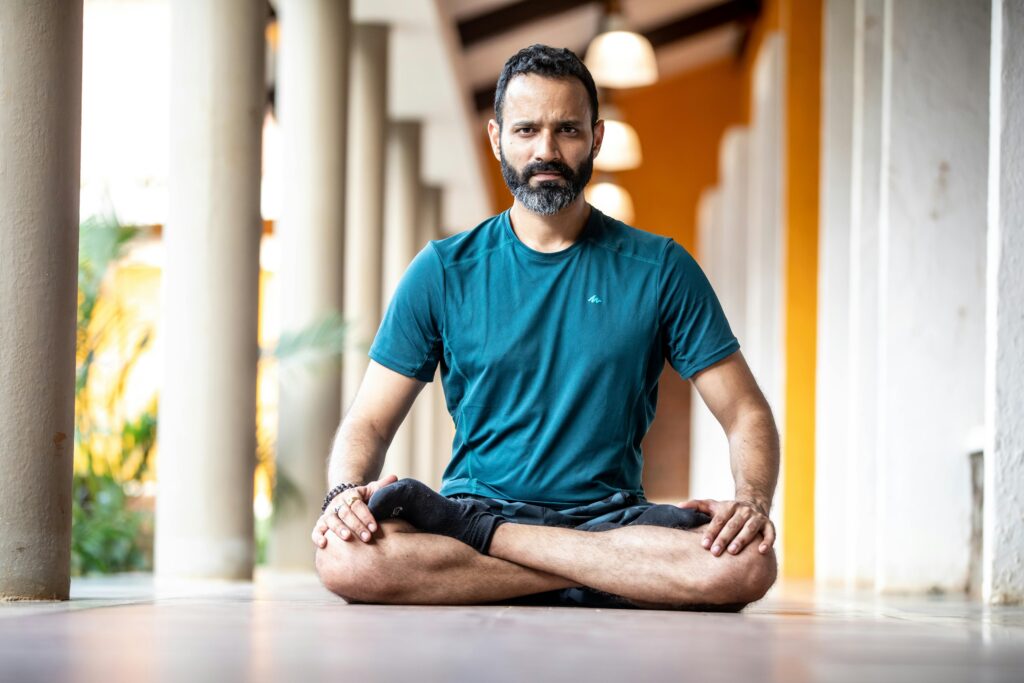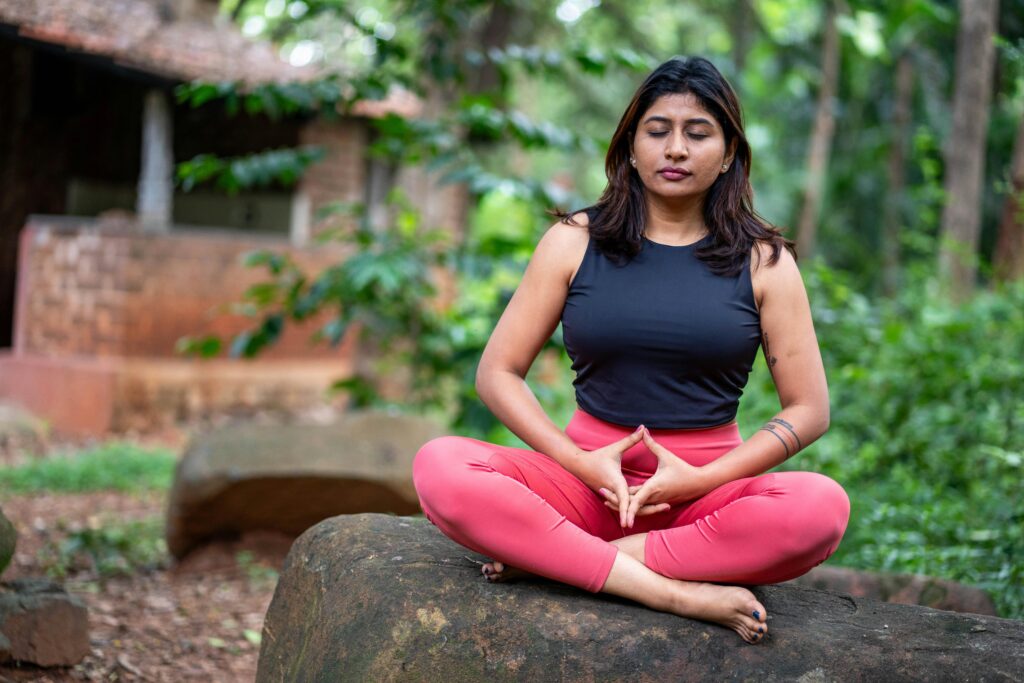
Ever felt like your mind is hosting an all-day argument between anxiety and exhaustion? You’re not alone. The modern world moves so fast that finding inner peace feels like trying to untangle earbuds after they’ve been stuffed into every pocket known to humankind. And yet, the secret lies in something we rarely give ourselves: compassionate peace.
In this post, you’ll learn how cultivating compassionate peace can transform your mental wellness game—yes, even if life feels like it’s running on espresso shots of chaos. From actionable steps to real-world examples, we’ll explore:
- Why compassionate peace matters more than ever
- A step-by-step guide to making peace a daily practice
- Tips for staying consistent (and forgiving yourself when you slip)
Table of Contents
- Why Compassionate Peace Matters
- Your Step-by-Step Guide to Inner Peace
- Best Practices for Sustaining Peace
- Real-Life Examples of Compassionate Peace
- Frequently Asked Questions About Compassionate Peace
Key Takeaways
- Compassionate peace involves kindness toward yourself and others while building resilience against stress.
- Daily practices like mindfulness, gratitude, and self-compassion are essential for fostering inner calm.
- Navigating setbacks doesn’t mean failing—it means learning and adapting as part of the journey.
Why Does Compassionate Peace Matter?
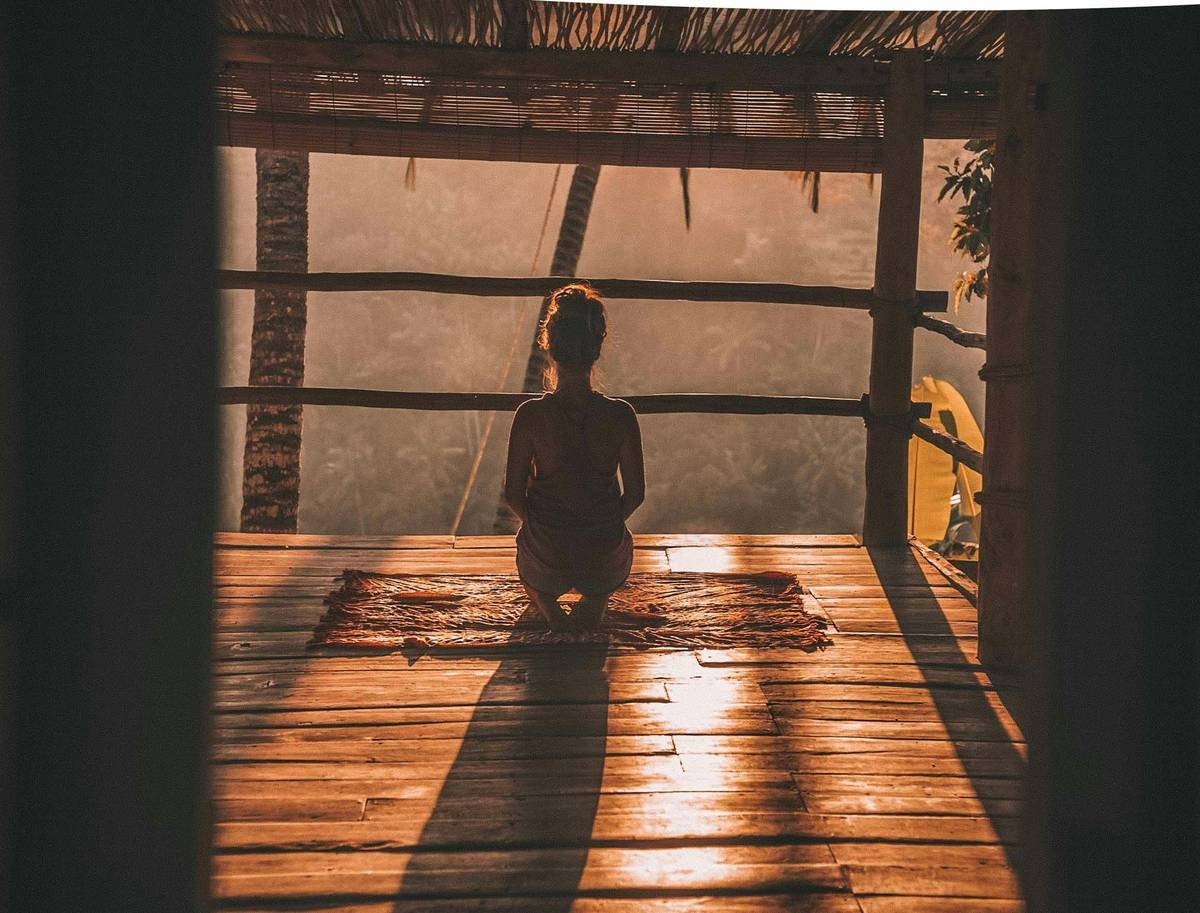
Let me confess something cringeworthy: Once upon a time, I tried meditating with my phone notifications turned *on*. Spoiler alert: It sounded less like “zen” and more like a slot machine jackpot at Vegas. But here’s the kicker—those intrusive pings weren’t just annoying; they were symptoms of a deeper issue. We live in a culture obsessed with productivity, where rest is treated like leftover pizza crust—something no one really wants to deal with.
Enter compassionate peace: A blend of mindfulness, empathy, and emotional regulation designed to help you navigate life without losing your soul along the way. Studies show that practicing self-compassion reduces cortisol levels by up to 25%, which translates to less stress and better overall health (Sources, anyone?).
Optimist You: “So I just start meditating and BAM—inner peace!”
Grumpy Me: “Slow down there, sunshine. It takes work, coffee breaks included.”
Your Step-by-Step Guide to Compassionate Peace
Luckily, achieving compassionate peace isn’t rocket science—it’s more like cooking ramen noodles: simple but satisfying. Here’s your blueprint:
Step 1: Start Small
Don’t aim for enlightenment overnight. Begin with five minutes of quiet breathing exercises each morning. No yoga mat required; your bed works fine too!
Step 2: Practice Mindfulness
Mindfulness isn’t about silencing thoughts—it’s about observing them without judgment. Picture watching clouds drift across the sky instead of trying to herd them into neat formations.
Step 3: Speak Kindly to Yourself
Here’s a terrible tip: Tell yourself you’re unworthy until you’ve accomplished every single task on your list. Jokes aside, ditch harsh self-talk. Replace it with affirmations or even gentle reminders like, “You got this.”

Best Practices for Sustaining Compassionate Peace
- Limit Screen Time: Social media scrolling is the ultimate brain clutter. Set boundaries—or face becoming a zombie permanently glued to memes.
- Create Rituals: Whether it’s journaling before bed or sipping tea during sunrise, rituals ground you in the present moment.
- Forgive Flaws: Progress over perfection, always. If you miss a day or two of peaceful practices, remember: Even plants survive droughts.
Real-Life Examples of Compassionate Peace
Case Study #1: Meet Sarah, who swapped her nightly doomscrolling habit for guided meditations. Within weeks, she reported feeling calmer and more focused during work meetings. #Winning.
Case Study #2: Jake, a former skeptic, started journaling daily about things he was grateful for. He now describes his mood as “less Grinch, more Santa Claus.”

Frequently Asked Questions About Compassionate Peace
Q: What exactly is compassionate peace?
A: Think of it as treating your mind with the same care you’d offer a friend. It combines compassion (kindness) with peace (calm).
Q: Can I achieve this without meditation?
Absolutely. While meditation helps, activities like walking in nature or listening to calming music count too.
Q: How long does it take to see results?
Results vary, but most people notice improvements within a few weeks of consistent effort. Patience is key!
Conclusion
Cultivating compassionate peace doesn’t require a dramatic life overhaul—it starts with small, sustainable habits. By being kinder to yourself and embracing mindfulness, you’ll unlock a calmer, healthier version of YOU. Now go forth, spread good vibes, and maybe share some of those chocolate chip cookies you baked last night.
P.S. Life’s puzzles may never fully solve themselves—but hey, sometimes the pieces fit better when you approach them with love. 🧩✨
And because nostalgia heals all wounds… Remember Tamagotchis? Just like those digital pets, compassionate peace thrives on daily TLC.