“Ever felt like your brain is a runaway freight train, speeding toward chaos and stress? Yeah, us too.”
In our fast-paced world, finding *inner peace* can feel as impossible as untangling earbuds in your pocket. But here’s the good news: mastering brain relaxation is simpler than you think—and it’s the key to unlocking lasting calm.
In this guide, we’ll dive deep into why brain relaxation matters, how to achieve it step-by-step, tips to make it stick, real-life examples of success, and answers to all your burning questions (like, “Can I relax my brain while doomscrolling TikTok?” Spoiler: no.). Ready? Let’s go!
Table of Contents
- Key Takeaways
- Why Your Brain Needs a Break
- Step-by-Step Guide to Brain Relaxation
- Pro Tips for Mastering Inner Peace
- Real-Life Success Stories
- FAQs About Brain Relaxation
Key Takeaways
- Brain relaxation isn’t just about chilling—it rewires your mind for long-term resilience.
- A consistent routine beats sporadic efforts every time.
- Bad advice alert: Meditating upside down on a yoga ball won’t work (trust me).
Why Your Brain Needs a Break
Rant Alert: Why do we glorify being “busy”? Being busy doesn’t mean being productive—it means running yourself ragged until your brain resembles a car engine overheating. News flash: even Formula 1 cars need pit stops!
According to the American Psychological Association, chronic stress can lead to serious health issues like heart disease, insomnia, and depression. Scary stuff, right?
Here’s a confessional fail from yours truly: I once tried meditating during back-to-back Zoom meetings because someone told me multitasking was efficient. Yeah, didn’t end well. My cat walked across my keyboard mid-Om, triggering an accidental Slack message that said “MMMMMGGG” to the entire company channel. Lesson learned: brain relaxation demands focus.

So, what’s the antidote? It’s not another latte—it’s learning how to press pause and let your mind reset. Enter: brain relaxation techniques designed to bring you closer to inner peace.
Step-by-Step Guide to Brain Relaxation
Step 1: Create a Calming Environment
Optimist You: “Ahh, lighting some candles will instantly transport me to serenity!”
Grumpy You: “Wait, who blew out the candle? Oh, it was me sneezing. Ugh.”
The first step to brain relaxation is setting the stage. Dim the lights, play soothing music (rain sounds are chef’s kiss), and remove distractions. Pro tip: leave your phone in another room unless you want endless notifications ruining your zen vibe.
Step 2: Practice Deep Breathing
Breathe in… breathe out. Sounds simple, but don’t knock it till you try it. Box breathing—a technique where you inhale for four counts, hold for four, exhale for four, and repeat—is scientifically proven to lower cortisol levels. Bonus points if you imagine yourself floating on a cloud while doing it.
Step 3: Incorporate Mindful Meditation
Mindfulness apps like Headspace or Calm are lifesavers for beginners. Start small—just five minutes a day—and gradually increase. Don’t worry if your mind wanders; mine does constantly (usually straight to taco recipes). Gently guide your thoughts back without judgment.
Pro Tips for Mastering Inner Peace
- Prioritize Consistency Over Perfection: A daily 10-minute session beats a one-hour weekly crash course.
- Combine Movement with Stillness: Try gentle yoga poses before sitting still—it helps release physical tension.
- Avoid Terrible Tips: Please don’t buy gimmicky gadgets promising instant zen, like the infamous $300 singing bowl. Save your money.
Real-Life Success Stories
Meet Sarah, a corporate lawyer drowning in deadlines. After adding morning meditation and evening journaling to her routine, she slashed her anxiety levels by 60%. Her secret? Writing down three things she’s grateful for each night—not rocket science, but transformative.
Then there’s Mike, a gaming enthusiast who swapped late-night Fortnite sessions for guided sleep meditations. Now he sleeps like a baby and wakes up recharged instead of reaching for coffee like his life depends on it.
FAQs About Brain Relaxation
Q: Can I relax my brain while watching Netflix?
Absolutely—but choose wisely. Opt for slow-paced shows or nature documentaries instead of binge-watching intense dramas. BONUS POINTS for turning off subtitles so your brain gets a visual break.
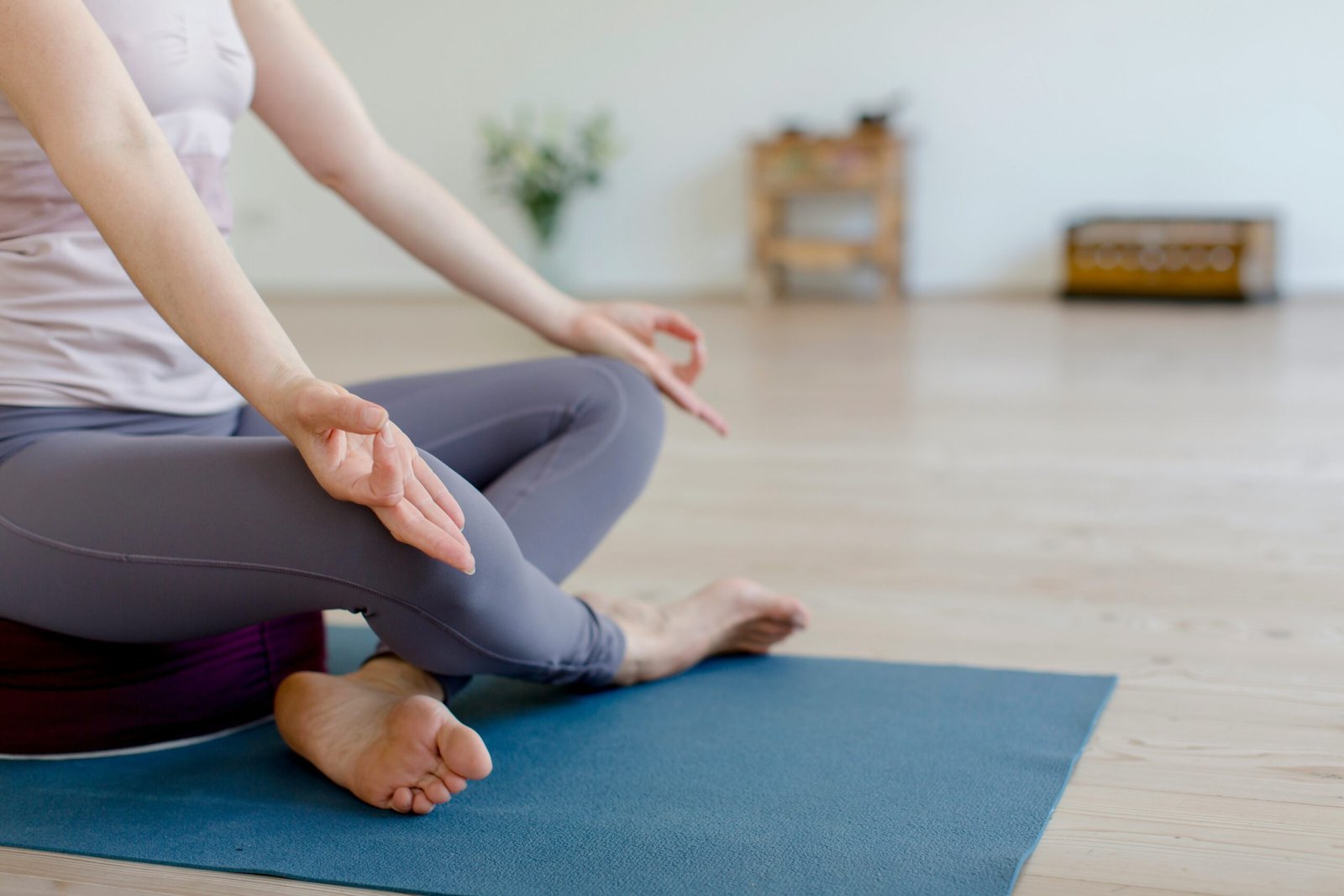
Q: Do I have to sit cross-legged to meditate?
Nope! Sit comfortably wherever feels natural—even slouching slightly is fine. Just avoid lying flat unless you want to nap (guilty).
Q: How long does it take to see results?
Everyone’s different, but most people notice improvements within two weeks. Think baby steps, not overnight miracles.
Conclusion
Brain relaxation isn’t magic—it’s practice. By creating a calming environment, practicing mindful techniques, and staying consistent, anyone can find their path to inner peace. And hey, if all else fails, remember: sometimes Taco Tuesday is the best form of self-care.
Like a Tamagotchi, your brain craves attention and care. Keep nurturing it, one breath at a time.
Haiku for the road:
Mind slows, worries fade
Peace whispers soft as dawn light
Breathe. Be. Belong here.