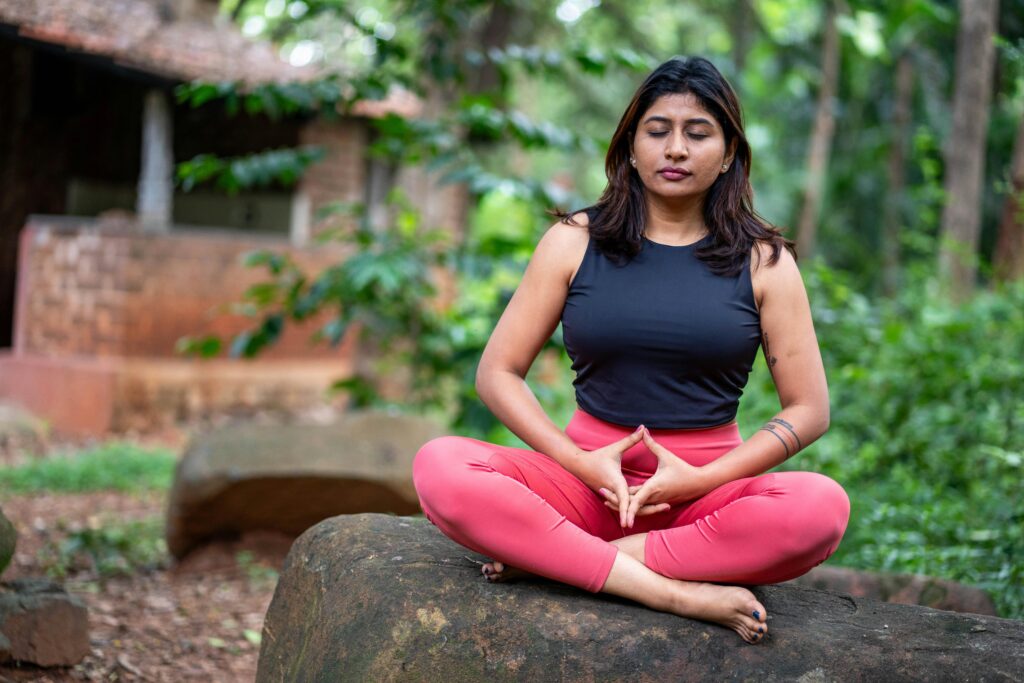
Ever felt like your emotions are running the show while you’re just along for the ride? Imagine this: one bad email ruins your entire day, or a single rude comment sends you spiraling into self-doubt. Yeah, we’ve all been there. The good news? You can reclaim control by cultivating emotional stability—an underrated but game-changing skill that brings inner peace faster than meditation apps.
In this guide, we’ll dive deep into what emotional stability really means (no fluff here), actionable steps to develop it, tips to maintain balance, real-world examples, answers to FAQs, and even some brutally honest rants about toxic positivity. By the end of this post, you’ll walk away with tools to handle life’s curveballs without losing your cool.
Here’s what we’re covering:
- Key Takeaways
- What Is Emotional Stability and Why Does It Matter?
- Step-by-Step Guide to Building Emotional Stability
- Proven Tips for Maintaining Long-Term Balance
- Real-Life Stories of People Who Found Inner Peace
- Frequently Asked Questions About Emotional Stability
Key Takeaways
- Emotional stability is not about being “happy” all the time—it’s about handling stress gracefully.
- Daily mindfulness practices, journaling, and setting boundaries create lasting resilience.
- Toxic positivity (“Just think happy thoughts!”) doesn’t help—it often makes things worse.
- Success stories prove anyone can build emotional strength over time.
What Is Emotional Stability and Why Does It Matter?
“Optimist You:” “Oh, I bet everyone around me has their sh*t together.”
Grumpy Me: “Nope. They’re faking it till they make it too.”
Let’s cut through the noise. Emotional stability isn’t about ignoring tough feelings—it’s learning how to navigate them. According to research published in the Journal of Personality and Social Psychology, emotionally stable people experience less anxiety, depression, and burnout. That sounds dreamy, right?

Why does this matter now more than ever? Because modern life hits hard—social media comparison, work pressure, global crises—and many of us feel overwhelmed. But here’s my confession: I once thought bottling up emotions was noble. Spoiler alert: It wasn’t. My pent-up frustration exploded during a team meeting when someone asked why I hadn’t responded to an email *immediately*. Not proud.
Step-by-Step Guide to Building Emotional Stability
Cultivating inner peace takes effort, but these steps will set you on the path:
Step 1: Get Honest With Yourself
First, acknowledge where you stand. Are you quick to anger at small inconveniences? Do you ruminate on past mistakes? Identifying triggers is half the battle.
Step 2: Practice Mindfulness Daily
Start small—even five minutes counts. Apps like Calm or Headspace offer guided sessions perfect for beginners. Or try this DIY approach:
- Sit comfortably, close your eyes, and focus on your breath.
- Notice sensations without judgment. Feel your heartbeat slow down.
- If your mind wanders (spoiler: it will), gently bring it back.
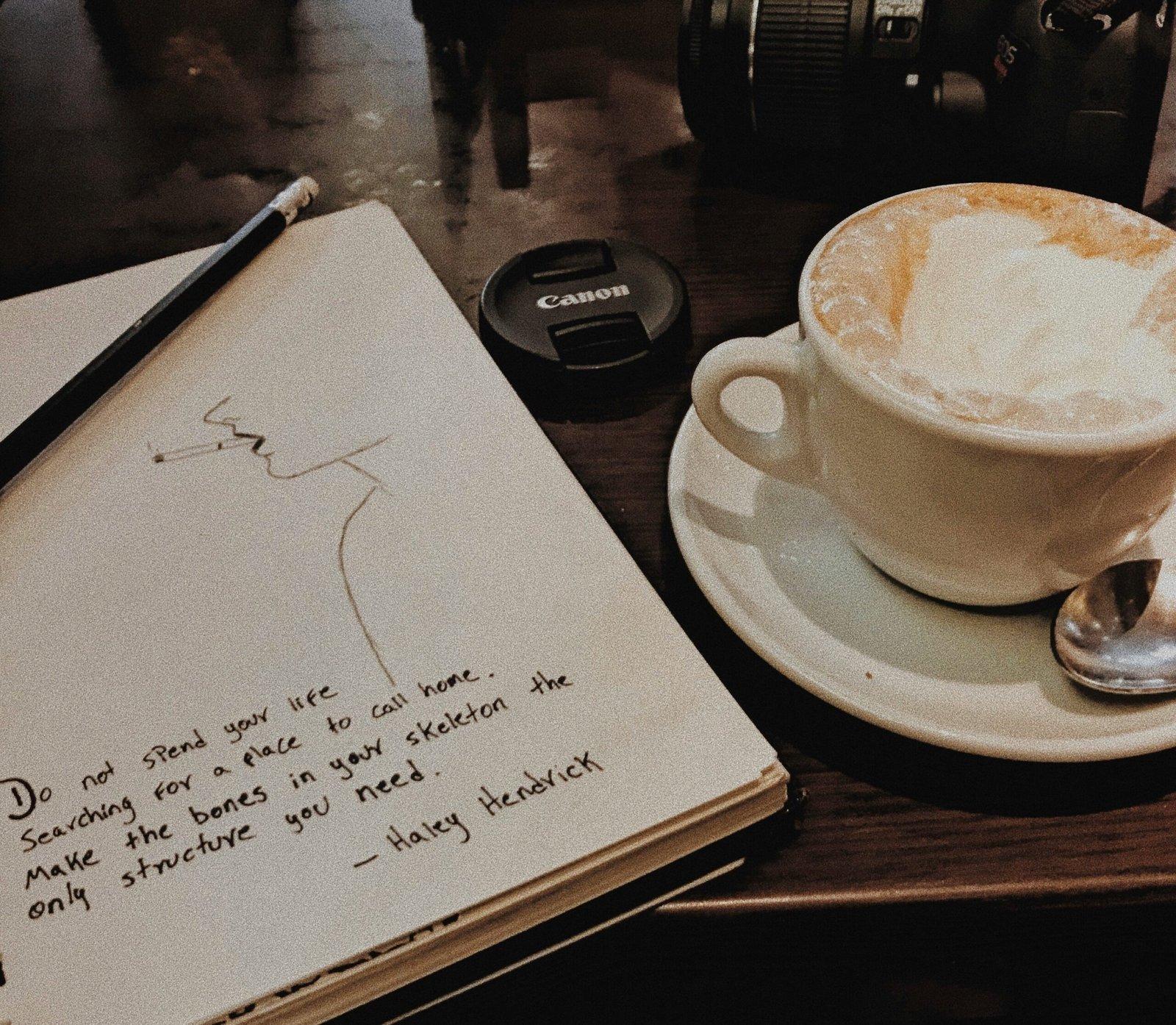
Step 3: Journal Your Emotions
Pick up a notebook and write freely. What irritated you today? What brought joy? Journaling helps process feelings instead of suppressing them.
Proven Tips for Maintaining Long-Term Balance
Okay, so you’ve started practicing mindfulness and journaling. Great job. Now let’s talk about sustainability because habits fade if unsupported:
- Set Boundaries: Learn to say no without guilt. Protecting your energy is vital.
- Practice Gratitude: Each night, jot down three things you’re grateful for. Bonus points if they’re specific.
- Avoid Toxic Positivity: Saying “everything happens for a reason” dismisses real pain. Focus on empathy instead.
Real-Life Stories of People Who Found Inner Peace
Meet Sarah, a busy mom of two who used to lash out at her kids over minor messes. After committing to daily breathing exercises and therapy, she reports feeling calmer and connecting better with her family. Another example? Mark, a corporate manager who reduced his workload by delegating tasks and practicing gratitude. His chronic headaches disappeared within months.

Frequently Asked Questions About Emotional Stability
Q: Can emotional instability be cured permanently?
A: There’s no magic pill, but consistent practice improves regulation significantly.
Q: How long does it take to see results?
A: Some notice shifts within weeks; others need months. Patience is key.
Q: Isn’t therapy expensive?
A: Yes, but affordable options exist! Look into community programs or online platforms offering sliding-scale payments.
Conclusion
Building emotional stability won’t happen overnight—but trust me, it’s worth every awkward moment of vulnerability along the way. Remember, progress beats perfection. So grab that journal, download that app, or simply breathe deeply right now. Like a Tamagotchi, your inner peace needs regular care—feed it well.
Haiku Time:
Feelings come and go,
Breathe through each stormy wave,
Peace whispers, “Stay calm.”