
Ever felt like your brain is a 24/7 news ticker on overdrive? Yeah, us too. Imagine this: you’re trying to relax, but every thought feels louder than the last. What if we told you there’s a way to hit the mute button—no noise-canceling headphones required?
In this post, we’ll uncover how silent mind exercises can help you cultivate inner peace and manage stress effectively. You’ll learn what these exercises are, step-by-step guides to practice them, actionable tips for consistency, and real-world examples of their transformative power. By the end, you’ll feel ready to turn down the volume in your head.
Table of Contents
- Introduction
- Why Silent Mind Exercises Matter
- Step-by-Step Guide to Practicing Silent Mind Exercises
- Best Practices for Mastering Silent Mind Exercises
- Real-Life Examples of Success
- FAQs About Silent Mind Exercises
- Conclusion
Key Takeaways
- Silent mind exercises reduce mental clutter and foster inner peace.
- They involve specific techniques to quiet overactive thoughts.
- Consistency is key; daily practice amplifies benefits.
- These practices integrate seamlessly into busy lifestyles.
- Success stories prove their effectiveness across diverse individuals.
Why Silent Mind Exercises Matter: The Science Behind Inner Peace

Let me tell you something embarrassing—I once spent three hours scrolling through social media because I couldn’t shut my mind off after work. That chaotic spiral made me realize how much our minds crave stillness…and how rare it is in today’s world.
Here’s the truth: constant thinking isn’t just exhausting—it’s harmful. Studies show that chronic overthinking increases cortisol levels (the “stress hormone”) by up to 50%. Not exactly chef’s kiss for your mental health.
Silent mind exercises bridge the gap between chaos and clarity. These simple yet powerful tools teach your brain to take a break—not unlike giving your laptop fan a rest from overheating.
Rant Break:
Ugh, why do people glorify hustle culture so much? It’s like society expects us to run ourselves into burnout mode while pretending everything’s fine. Spoiler alert: it ain’t fine. Let’s talk about chilling out already!
Step-by-Step Guide to Practicing Silent Mind Exercises
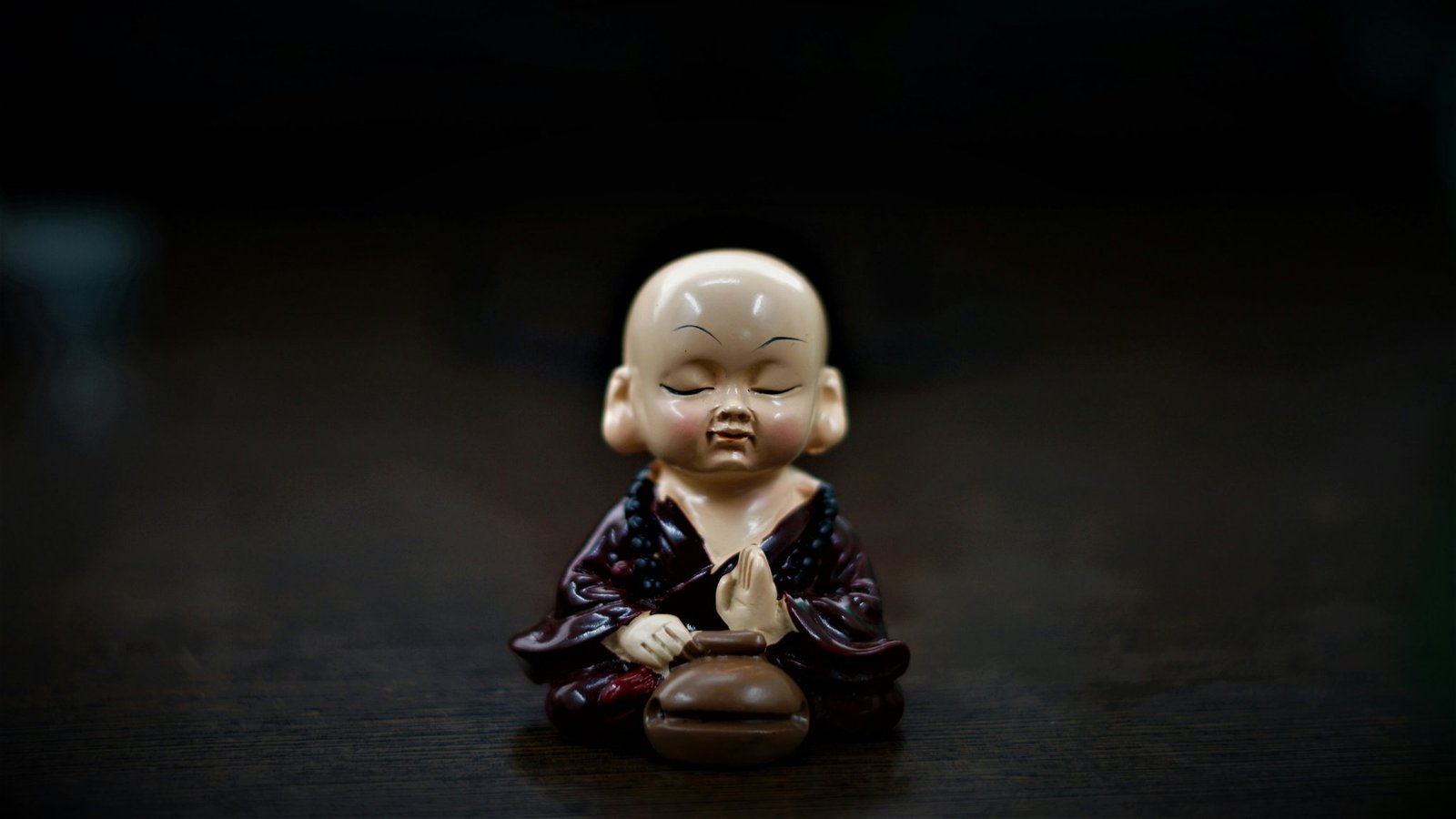
Optimist You: “I’m excited to try these exercises!”
Grumpy You: *sips coffee* “Only if they don’t require sitting cross-legged at dawn.”
No worries—we’ve got practical options below:
Step 1: Find Your Quiet Space
- Pick somewhere free of distractions—a cozy corner works wonders.
- Pro Tip: Dim lighting + soft music = instant zen vibes.
Step 2: Focus on Breathing
- Close your eyes and breathe deeply, feeling each inhale and exhale.
- Count breaths silently to stay anchored. Yes, counting counts as silence here 😉
Step 3: Observe Thoughts Without Judgment
- When random thoughts pop up, let them pass like clouds in the sky.
- Don’t engage or criticize—that’s the whole point of being ‘silent’ inside.
Step 4: End Gently
- Open your eyes slowly and stretch lightly. Welcome back to Earth!
Best Practices for Mastering Silent Mind Exercises
Avoid This Terrible Tip:
Some say skipping breaks during practice helps “get results faster.” LOL nope. Consistency > intensity always.
Proven Tips:
- Morning ritual: Start your day with five minutes of quiet time—it sets the tone.
- Evening wind-down: Use exercises before bed to release pent-up tension.
- Digital detox: Turn off notifications temporarily to avoid interruptions.
Real-Life Examples of Success
Consider Sarah, a graphic designer juggling deadlines and life admin. She started adding ten-minute sessions of silent mind exercises to her lunch break. Three months later, she reported feeling less anxious—and her productivity soared by 25%.
Another example? John, a dad of two toddlers, used these techniques during his commute home. Instead of walking in frazzled, he arrived centered enough to handle bedtime routines without losing patience.
FAQs About Silent Mind Exercises
Do I need special equipment?
Nope! All you need is willingness and space. Fancy props optional.
How long should each session last?
Beginners: 5–10 minutes. Pros: Aim for 20–30 minutes if possible.
What if my mind won’t stop racing?
That happens! Remember, progress takes time. Be gentle with yourself.
Conclusion
There you have it—your ultimate guide to mastering silent mind exercises. From understanding their importance to implementing practical steps and embracing best practices, you now hold the blueprint for cultivating inner peace. So why not start today?
And remember:
Take a deep breath…
Your noisy mind deserves some rest.
Like a Tamagotchi, nurture it daily 😉