
Ever felt like your brain is hosting a chaotic dance party you didn’t sign up for? That’s what happens when stress takes over, leaving no room for inner peace. The good news? Achieving “thought relaxation” isn’t just some hippie-dippy concept—it’s a science-backed practice that can help you reclaim your mental space.
In this post, we’ll explore why thought relaxation matters (hint: it has life-changing benefits), how to cultivate it in your daily routine, tips from experts who’ve been there, real-life examples of success stories, and even an FAQ section so you’re covered on all fronts. Oh, and yes, coffee *is* involved—you’re welcome.
Table of Contents
- Why Thought Relaxation Matters
- Step-by-Step Guide to Thought Relaxation
- Tips for Mastering Thought Relaxation
- Real-World Success Stories of Thought Relaxation
- FAQs About Thought Relaxation
Key Takeaways
- Thought relaxation isn’t about silencing thoughts—it’s about letting them flow without attachment.
- Practicing techniques like mindfulness meditation boosts mental clarity and reduces stress.
- Small rituals, such as journaling or deep breathing, can make a big difference in achieving inner peace.
Why Does Thought Relaxation Matter?
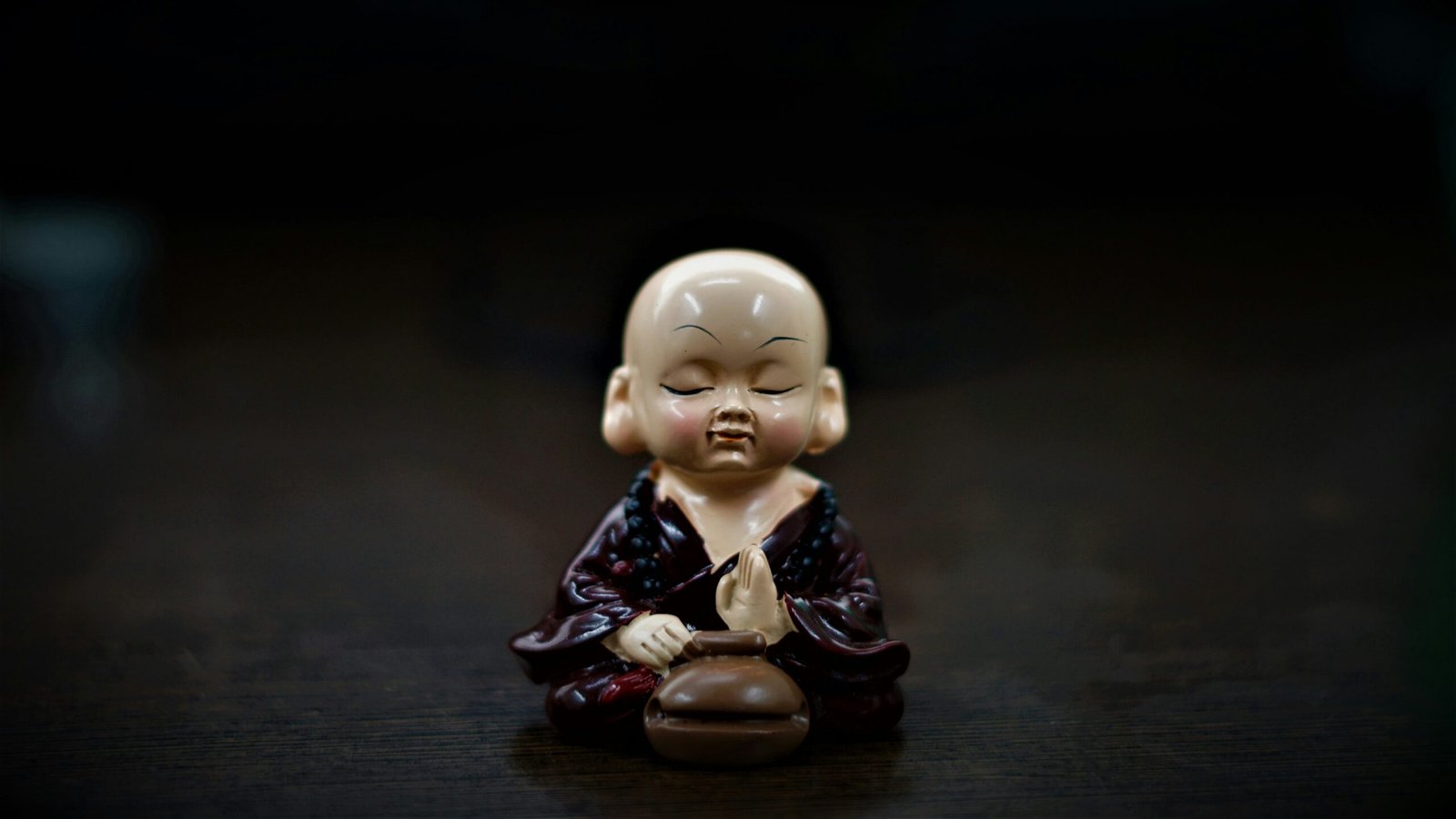
I used to think calming my mind meant shutting off everything—like turning off Netflix at bedtime. Nope, that approach led straight to frustration because guess what? Thoughts aren’t going anywhere. Turns out, thought relaxation is less about stopping the noise and more about making friends with it.
Studies reveal that nearly 70% of adults struggle with racing thoughts, which affect sleep patterns, focus, and overall well-being. When left unchecked, these thoughts spiral into anxiety loops that keep us stuck. But adopting thought relaxation strategies helps break the cycle by teaching you to acknowledge thoughts without judgment—a game-changer for finding true inner peace.
Optimist You:
“Imagine feeling lighter after every moment of stillness!”
Grumpy You:
“OMG, shut up already—this better work.”
Step-by-Step Guide to Thought Relaxation
Step 1: Mindfulness Meditation – Start Small
Don’t overwhelm yourself trying to meditate for an hour. Begin with five minutes daily using guided apps like Calm or Headspace. Focus on your breath—noticing each inhale and exhale—and gently bring your attention back whenever your mind wanders.
Step 2: Journal Your Way to Clarity
Sometimes, writing out your thoughts untangles the knots in your head. Try “stream of consciousness” journaling where you dump everything onto paper without editing. It’s therapeutic AF.
Step 3: Practice Deep Breathing Techniques
Breathe in for four counts, hold for seven, then exhale for eight. Repeat. This simple trick activates your parasympathetic nervous system, cueing your body to chill the eff out.
Tips for Mastering Thought Relaxation
- Create a Ritual: Dedicate a specific time each day for relaxation—whether it’s morning yoga or evening tea sipping.
- Embrace Imperfection: If your mind drifts during meditation, don’t panic. Gently guide yourself back instead of getting frustrated.
- Turn Off Notifications: Phones are basically dopamine vending machines. Put yours on airplane mode while practicing thought relaxation.
- *Terrible Tip Disclaimer:* DON’T use alcohol or TV binge-watching as coping mechanisms—they’ll only numb you temporarily, not relax your thoughts.
Real-World Success Stories of Thought Relaxation
Meet Sarah (not her real name—but close enough). A corporate lawyer drowning in deadlines, she started incorporating thought relaxation exercises into her schedule. Within weeks, her chronic headaches disappeared, and her productivity skyrocketed. She swears by her nightly gratitude journal ritual now.
Or take Jake, a college student struggling with insomnia. He began doing progressive muscle relaxation before bed—and bam, he finally started sleeping through the night again. Proof that small changes yield massive results.
FAQs About Thought Relaxation
How long does it take to see results?
Most people notice improvements within two weeks of consistent practice, though individual experiences vary.
Can anyone learn thought relaxation?
Absolutely! Whether you’re a busy parent or a type-A perfectionist, everyone can benefit from these techniques.
What if I fall asleep during meditation?
No biggie—it means your body needed rest. Adjust your posture or try shorter sessions if tiredness becomes a pattern.
Conclusion
Achieving thought relaxation isn’t about eliminating challenges but learning to navigate them with grace. By understanding its importance, following actionable steps, and leveraging proven tips, you’ll unlock a calmer version of yourself. So go ahead, start today—even if it’s just five mindful breaths.
“Mind like water,
Ripples fade away,
Peace stays.”