
Ever felt like your mind is a runaway train, speeding through chaos without brakes? You’re not alone. Achieving inner peace starts with mastering mental balance exercises—and no, that’s not just yoga or meditation.
In this post, we’ll dive into why mental balance matters more than ever, share step-by-step methods for practicing these exercises, and sprinkle in some brutally honest tips along the way. By the end of this article, you’ll know exactly how to harness mental clarity and find your calm amidst life’s chaos.
Table of Contents
- Why Mental Balance Matters (and Why It’s Hard)
- Step-by-Step Guide to Mastering Mental Balance Exercises
- Tips and Best Practices for Consistency
- Real-Life Examples of Mental Balance Success Stories
- Frequently Asked Questions About Mental Balance Exercises
Key Takeaways
- Mental balance exercises help combat stress and create lasting inner peace.
- Consistency is key—daily practice beats sporadic efforts every time.
- Not all strategies work for everyone; experiment to discover what works best for you.
- Some “popular advice” can actually backfire (*cough* multitasking *cough*).
Why Mental Balance Matters (and Why It’s Hard)

Here’s the deal: our brains weren’t designed for the constant barrage of notifications, deadlines, and endless scrolling. According to the American Psychological Association, chronic stress affects over 75% of adults. Yikes.
Overshare Alert: I used to think my calendar was my enemy. Every morning looked like an Excel spreadsheet gone rogue—meetings stacked on top of tasks stacked on top of doom-scrolling sessions. One day, I forgot to eat lunch because I was so laser-focused on being productive. When 6 PM hit, my brain felt like it had been run over by a truck. Sound familiar?
Optimist You: “Balance is totally doable!”
Grumpy You: “Only if someone else handles dinner while I stare at the ceiling.”
Step-by-Step Guide to Mastering Mental Balance Exercises
Now let’s get tactical. These are the top 8 mental balance exercises that can transform your mindset from frazzled to fearless.
1. Deep Breathing Techniques
The OG stress buster. Box breathing is particularly effective: inhale for 4 seconds, hold for 4, exhale for 4, and pause for another 4. Do this for 5 minutes daily.
2. Mindful Journaling
Dump your thoughts onto paper—or digitally type them out if trees matter more to you. Just make sure it’s stream-of-consciousness style. No filters allowed.
3. Progressive Muscle Relaxation
Tighten each muscle group in your body one by one, then release. Sounds simple, but it’s chef’s kiss for physical tension tied to mental stress.
4. Visualization Meditation
Close your eyes and imagine yourself in a serene place—a beach, forest, or even floating in space (if that floats your boat). This rewires your brain to focus on calm rather than chaos.
5. Digital Detox Blocks
Delete social media apps for an hour—or five. Sounds terrifying, right? But trust me, your brain will thank you later.
6. Physical Movement Breaks
Whether it’s yoga, walking your dog, or dancing wildly in your living room, movement releases endorphins—the ultimate mood boosters.
7. Gratitude Lists
Write down three things you’re grateful for before bed. Even if it’s as small as “coffee exists,” gratitude shifts your perspective fast.
8. Limit Multitasking
Brutal Honesty Corner: Pretend I didn’t say this, but…STOP MULTITASKING. Seriously. It fries your brain faster than microwaving leftovers in plastic. Focus on ONE thing at a time.
Tips and Best Practices for Consistency
Achieving inner peace isn’t about perfection—it’s about progress. Here’s how to stay consistent:
- Set reminders for your mental balance exercises.
- Pair activities with habits you already have (e.g., meditate after brushing your teeth).
- Fake it till you make it. Sometimes pretending to be zen IS the first step.
Real-Life Examples of Mental Balance Success Stories
Case Study Alert: Meet Sarah. A corporate lawyer drowning in 80-hour workweeks, her breaking point came when she realized she hadn’t seen daylight in days. She started implementing deep breathing and daily walks during lunch breaks. Within weeks, her anxiety dropped, her productivity soared, and she even rediscovered her love for painting—something she hadn’t touched since college.
Lesson learned? Small changes = big impact.
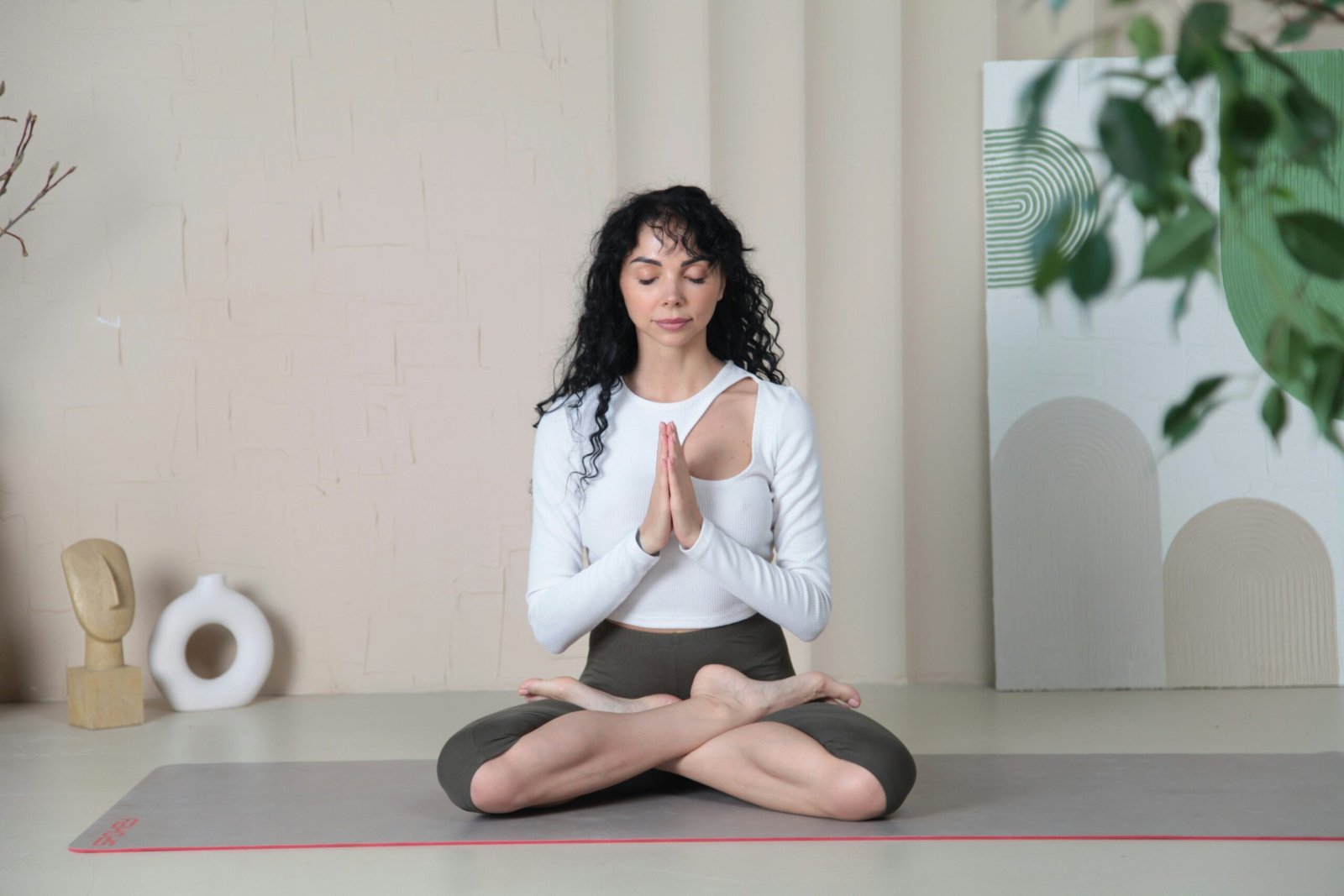
Frequently Asked Questions About Mental Balance Exercises
How long does it take to see results?
Most people notice improvements within 2-4 weeks of consistent practice. Don’t rush it though—inner peace isn’t microwaveable.
What if I don’t have time?
Start with 5 minutes a day. Trust me, your Instagram feed won’t miss you THAT much.
Do I need special equipment?
Nope. All you need is YOU. If you want fancy tools, grab a journal or download a guided meditation app like Calm or Headspace.
Conclusion
Finding inner peace isn’t reserved for monks or influencers sipping matcha on mountaintops. With these 8 mental balance exercises, anyone—including you—can cultivate calm in a chaotic world.
Remember:
- Consistency > Perfection
- Small steps lead to big wins
- You CAN balance mental wellness alongside life’s craziness
Now go forth, breathe deeply, and embrace the journey to mental balance. And hey, maybe celebrate with a cookie or two—you earned it.

Bonus Haiku:
Mind races like wind,
Stillness comes—breath whispers,
Peace found in small steps.