Table of Contents
- Introduction
- Key Takeaways
- Section 1: Why You Need Zen Movement Exercises in Your Life
- Section 2: How to Master Zen Movement Exercises
- Section 3: Pro Tips for Maximizing Your Practice
- Section 4: Real-Life Success Stories with Zen Movement Exercises
- Section 5: FAQs About Zen Movement Exercises
- Conclusion
Introduction
Ever felt like your mind is a runaway train, speeding through endless tunnels of stress and anxiety? Yeah, us too. In today’s fast-paced world, finding inner peace can feel impossible—until now. Enter zen movement exercises, the ultimate antidote to modern chaos.
In this guide, you’ll learn how these simple yet powerful practices can help you reclaim your mental wellness. From understanding their importance to mastering actionable steps, we’ve got you covered.
You’ll discover:
- Why zen movement exercises are essential for mental health.
- A step-by-step guide to incorporating them into your routine.
- Tips, real-life examples, and answers to common questions.
Key Takeaways
- Zen movement exercises combine mindfulness, gentle motion, and breathwork to reduce stress.
- They improve both physical and emotional well-being by fostering inner peace.
- Consistency is key; even 10 minutes daily can make a difference.
Section 1: Why You Need Zen Movement Exercises in Your Life
Picture this: It’s Monday morning, your inbox is overflowing, deadlines loom, and suddenly your chest feels tight. Welcome to the universal experience of modern life—a cocktail of stress, overwhelm, and constant noise. While coffee might give you a temporary boost, it won’t silence that relentless inner critic.
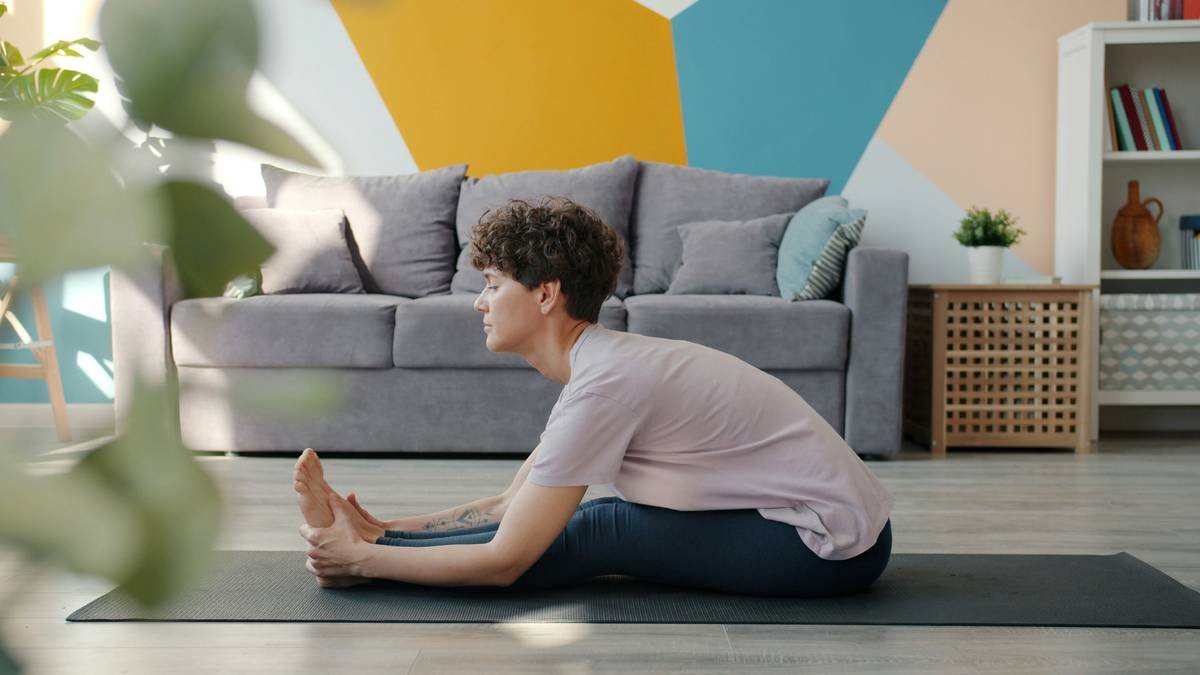
The Problem: Traditional stress management techniques often focus solely on either physical or mental aspects. But the magic happens when you address both simultaneously. That’s where zen movement exercises shine.
Zen-inspired activities like tai chi, qigong, yoga flows, and mindful walking blend slow movements with deep breathing and meditation. This trifecta calms your nervous system, clears mental clutter, and restores balance.
Section 2: How to Master Zen Movement Exercises
Optimist You: “This sounds amazing—I’m ready!”
Grumpy You: “Ugh, fine—but only if I don’t have to wear spandex.”
Fair enough. Here’s a no-nonsense breakdown:
Step 1: Choose Your Style
Not all zen movements are created equal. Experiment to find what resonates:
- Tai Chi: Known as “meditation in motion,” it involves flowing sequences.
- Qigong: Focuses on cultivating life energy (qi) through gentle moves and breath control.
- Mindful Walking: Perfect for beginners who want simplicity.
Step 2: Start Small
Dedicate just 5–10 minutes daily to start. Consistency trumps length.
Step 3: Create Sacred Space
Find a quiet spot free from distractions. Bonus points if it smells like lavender or incense.
Step 4: Focus on Breath + Motion
Pair each movement with slow, intentional breaths. For example, inhale while lifting your arms and exhale while lowering them.
Step 5: End with Gratitude
Spend 1–2 minutes reflecting on how you feel. Acknowledge small wins—it’s chef’s kiss for mental clarity.
Section 3: Pro Tips for Maximizing Your Practice
- Don’t Overthink It: Simplify. Too many details = overwhelmed brain.
- Add Music: Soft instrumental music enhances relaxation.
- Use Props: A yoga mat or block can support comfort during poses.
- Terrible Tip Alert: If someone tells you not to blink while meditating—they’re wrong. Blink away!
Section 4: Real-Life Success Stories with Zen Movement Exercises
Meet Sarah, a marketing exec turned zen devotee. After years of burnout, she adopted a 15-minute qigong practice every morning. Within months, her chronic headaches vanished, and she noticed sharper focus at work.
“It’s like resetting my operating system,” she says. “Now I tackle challenges without that sinking dread.”
Another story comes from Greg, an avid runner recovering from injury. Incorporating tai chi helped him reconnect with his body—and joy. “I used to run to escape. Now I move to be present,” he shares.
Section 5: FAQs About Zen Movement Exercises
How long does it take to see results?
Many notice immediate relaxation benefits, but profound changes typically emerge after weeks of consistent practice.
Can I do this indoors or outdoors?
Both! Nature adds bonus vibes, though indoor spaces offer privacy.
Do I need special equipment?
Nope. All you really need is yourself. Optional props include mats or blocks.
Conclusion
Let’s recap: Zen movement exercises are more than just fitness trends—they’re lifelines in our stressful world. By blending mindful motion, breathwork, and presence, they unlock doors to lasting inner peace.
So why wait? Dedicate tomorrow morning to trying one small exercise. Remember: Like a Tamagotchi, your inner peace requires regular care. 🧘♀️✨
Final Haiku:
Breathe in, breathe out slow,
Your soul whispers, ‘I’m here.’
Peace blooms quietly.