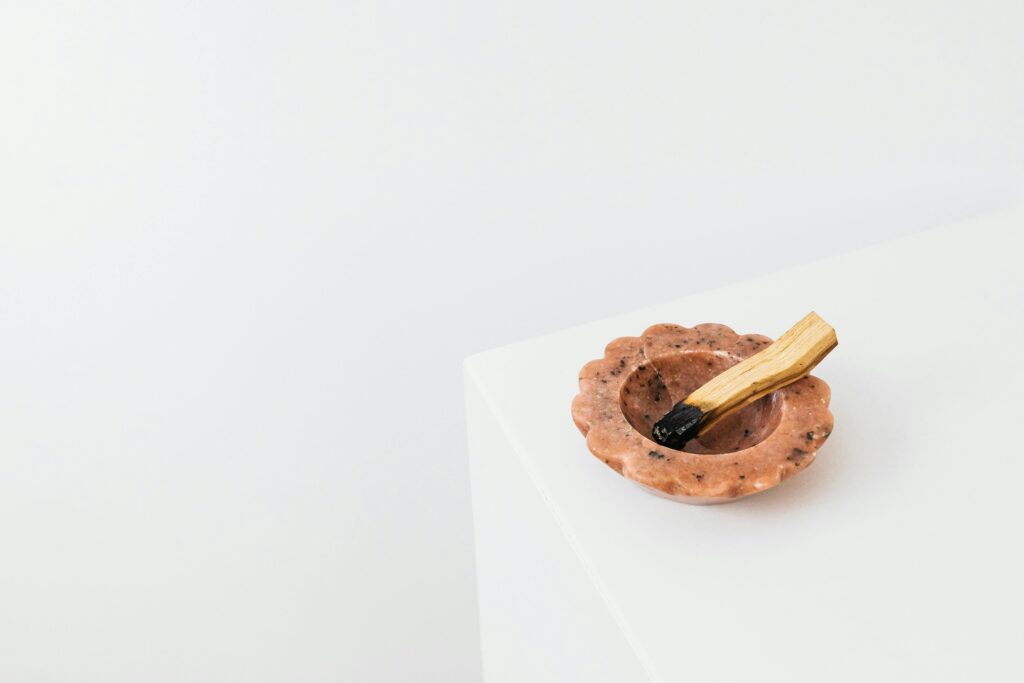
Ever felt like life’s stress is a tornado tearing through your mind? You’re not alone. In fact, 60% of adults report feeling overwhelmed by daily responsibilities, and finding solace can seem impossible. But what if the secret to inner peace was as simple as lighting a candle or diffusing essential oils? Enter zen scent therapy, an ancient yet scientifically-backed practice designed to calm your nervous system and restore balance. In this guide, we’ll explore how you can harness the power of scent to achieve mental clarity, reduce stress, and foster deep inner peace.
Table of Contents
- What Is Zen Scent Therapy?
- Why Does It Matter for Your Mental Health?
- Step-by-Step Guide to Practicing Zen Scent Therapy
- Tips & Best Practices for Maximum Effectiveness
- Real-World Success Stories
- Frequently Asked Questions About Zen Scent Therapy
- Conclusion
Key Takeaways
- Zen scent therapy: Leverages aromas to promote relaxation and mental wellness.
- Key scents: Lavender, sandalwood, and eucalyptus are proven favorites.
- Action plan: Create a calming environment using candles, diffusers, or incense.
- Mistake avoidance: Don’t overdo it—subtle scents work best!
What Is Zen Scent Therapy?
At its core, zen scent therapy combines mindfulness practices with aromatic compounds found in nature to induce tranquility. Picture this: my first attempt at “aromatherapy” involved dousing myself in peppermint oil during a particularly hectic week. Did I smell fresh? Absolutely. Was I peaceful? Not so much. Turns out, less really is more when it comes to scent-based therapies.

This approach has roots in Japanese Kodo ceremonies, where participants would “listen” to fragrances to understand their deeper meanings. Fast forward to today, and science backs up these traditions—studies show that certain scents trigger neurological responses linked to reduced anxiety and improved mood.
Why Does It Matter for Your Mental Health?
Let’s be honest: modern life isn’t exactly built for serenity. Between emails, bills, and social media algorithms screaming “DO MORE,” who has time to breathe deeply? Well, you should—and here’s why:
“When we ignore our need for rest, we’re essentially running on empty, just waiting for burnout to hit.” — Grumpy Optimist
Aromatherapy acts as a reset button for your brain, helping lower cortisol levels while increasing serotonin production. Imagine trading panic attacks for peaceful pauses—it sounds chef’s kiss, doesn’t it?
Step-by-Step Guide to Practicing Zen Scent Therapy
Ready to dive in? Here’s how to build your own zen zone:
Step 1: Choose Your Scents Wisely
- For sleep: Lavender
- For focus: Rosemary
- For calming: Chamomile
Step 2: Invest in Quality Tools
Skip cheap synthetic options. Opt for natural essential oils paired with a quality diffuser or beeswax candles.
Step 3: Set the Scene
Dim the lights, play soft music, and limit distractions. Think spa vibes, but without the $90 price tag.
Step 4: Commit to Consistency
Like any self-care ritual, repetition matters. Make zen scent therapy a non-negotiable part of your routine.
Grumpy note: If someone tells you to add rose oil EVERYWHERE, ignore them. Moderation, people.
Tips & Best Practices for Maximum Effectiveness
- Less is More: Start small; no one needs a sensory overload.
- Pair With Other Techniques: Combine scents with breathing exercises or meditation for amplified results.
- Test Before You Trust: Some individuals may react differently to specific smells.
- DIY Warning: Never ingest essential oils unless under professional guidance—it’s a terrible idea.
Real-World Success Stories
Jane, a corporate lawyer, swears by her nightly chamomile-and-lavender diffuser routine. She went from needing three cups of coffee a day to savoring one cup…and actually enjoying it. Meanwhile, Mark transformed his chaotic home office into a bastion of calm thanks to cedarwood incense—a move he calls “the game changer.”
Frequently Asked Questions About Zen Scent Therapy
Q: How long does it take for zen scent therapy to work?
A: While immediate effects (like relaxation) are common, consistent use yields lasting benefits.
Q: Are there scents to avoid?
A: Strong artificial scents and overly sweet perfumes can have the opposite effect. Stick to natural sources.
Q: Can kids benefit too?
A: Absolutely, though supervision is key to ensure safety around young ones.
Conclusion
Incorporating zen scent therapy into your life might feel intimidating at first—but trust me, even something as simple as adding eucalyptus to your shower can make a world of difference. Remember: achieving inner peace isn’t about perfection but progress. So light that candle, diffuse that oil, and let yourself exhale.
And because nostalgia heals all wounds: Like a Tamagotchi, your zen zone needs love and care every single day. 🦋